
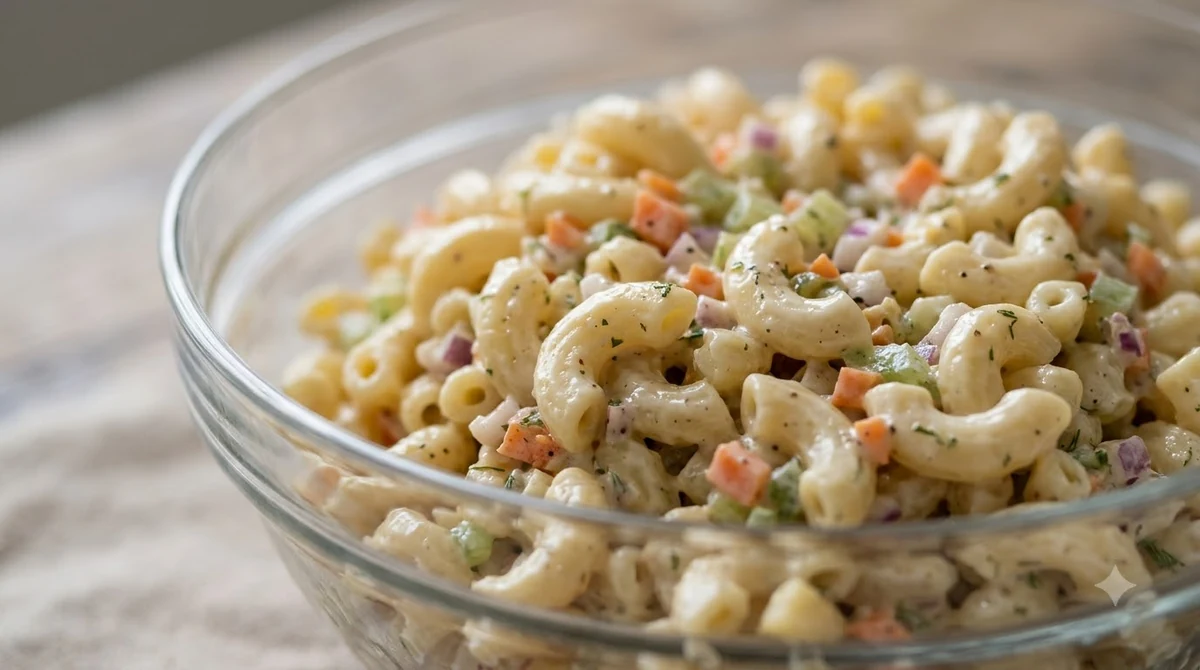

The honest answer to “do you rinse pasta after cooking” is usually no, if the pasta will be served hot. The starch on the surface of cooked noodles helps the sauce cling, and rinsing washes that starch away. Rinsing makes sense for cold pasta salad and for some Asian noodles, but for most dinners, reserve some pasta water and drain without rinsing.
Do You Rinse Pasta After Cooking It for Hot Dishes?
For hot pasta with sauce, the answer to “do you rinse pasta after cooking” is no, because the starches on the surface of cooked noodles let the sauce cling to them. Rinsing removes that layer before the sauce ever reaches the plate.
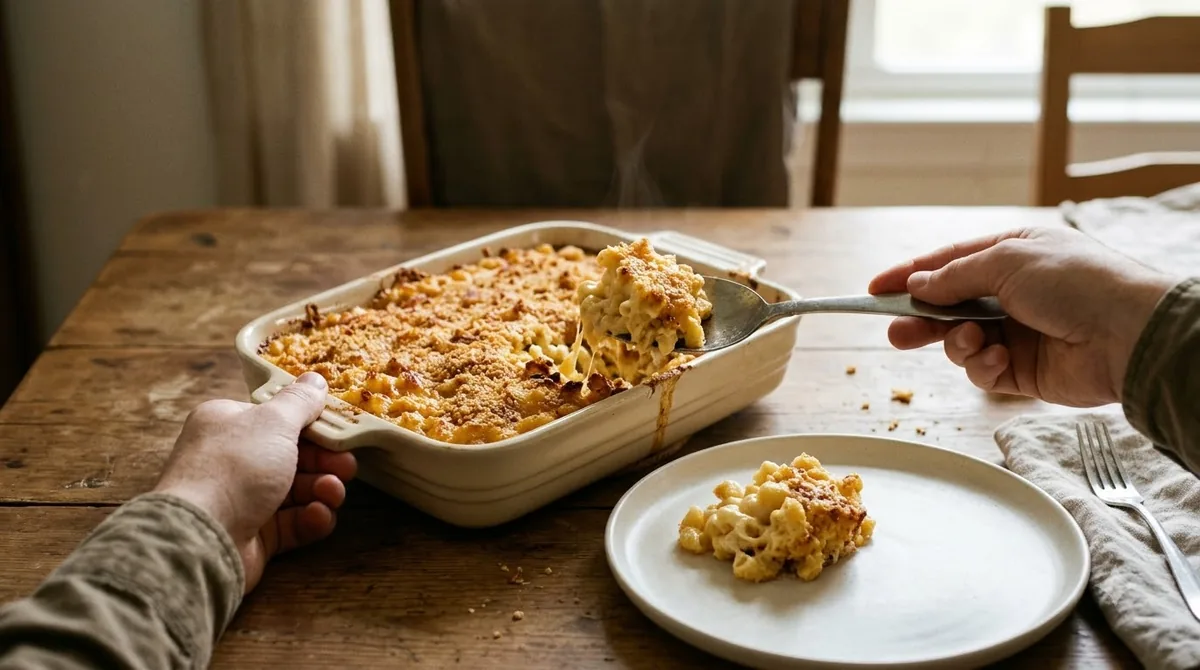
Taste of Home’s pasta guide puts the problem simply: if the noodles are rinsed, the sauce slips right off, and it is even worse if you toss the noodles in olive oil after cooking. A plain, rinsed strand has nothing for a ragu or a basic tomato sauce to grip, so the sauce pools in the bottom of the bowl instead of coating each piece.
The safest habit for hot dishes is to drain the pasta in a sturdy colander for pasta and move it straight into the pan with the sauce. Use the few seconds it takes to finish the noodles in the sauce, so the starch can carry the sauce onto the pasta. When you ask “do you rinse pasta after cooking,” the sink is the wrong answer. Rinsing only adds time at the sink and removes the one thing that makes the sauce stick.
Three situations answer “do you rinse pasta after cooking” in different ways. Hot pasta with sauce should not be rinsed. Cold pasta salad usually should be. Some Asian noodles fall in between, and the package or recipe is the best guide for those. The next sections explain each case and the reason behind it.
Why Surface Starch Keeps Sauce on the Noodles
Starch is the binder that holds sauce to pasta, and rinsing it away leaves noodles with nothing to grip. The starch comes from the pasta itself and forms a thin film on the outside of each strand as it cooks, which is why “do you rinse pasta after cooking” usually gets a no for hot dishes.
Mental Floss’s article describes this as a starchy film that covers strained pasta. The same article calls the film essential to many classic dishes and warns that washing the starch off leaves you with naked, flavorless noodles. That is the core reason cooks keep the film when they ask “do you rinse pasta after cooking” for a hot dish.
The starch works in two ways when you cook a sauce with pasta:
- It gives the sauce a surface to cling to, so it coats each strand instead of sliding off.
- It thickens the sauce when you toss the pasta with a little of its cooking water.
- It helps the sauce spread evenly through the bowl rather than pooling at the bottom.
Food Republic makes the same point from the other side when it asks “do you rinse pasta after cooking” for a hot dinner. It says rinsing can help prevent the noodles from clumping, but it also rinses away important starch from the surface. For a hot dinner, the starch is usually worth more than the rinse.
Starchy water is also more useful than tap water. Mental Floss notes that cloudy, starchy water is better at thickening and binding sauce than plain water from the tap, which is why the water you cooked the pasta in is worth keeping for the sauce.

When Rinsing Pasta Makes Sense
Rinse pasta only when it will be eaten cold, such as in a pasta salad, because cold water stops the cooking and keeps the noodles from clumping. So for “do you rinse pasta after cooking” in a salad, the answer is yes. This is the exception the sources agree on most.
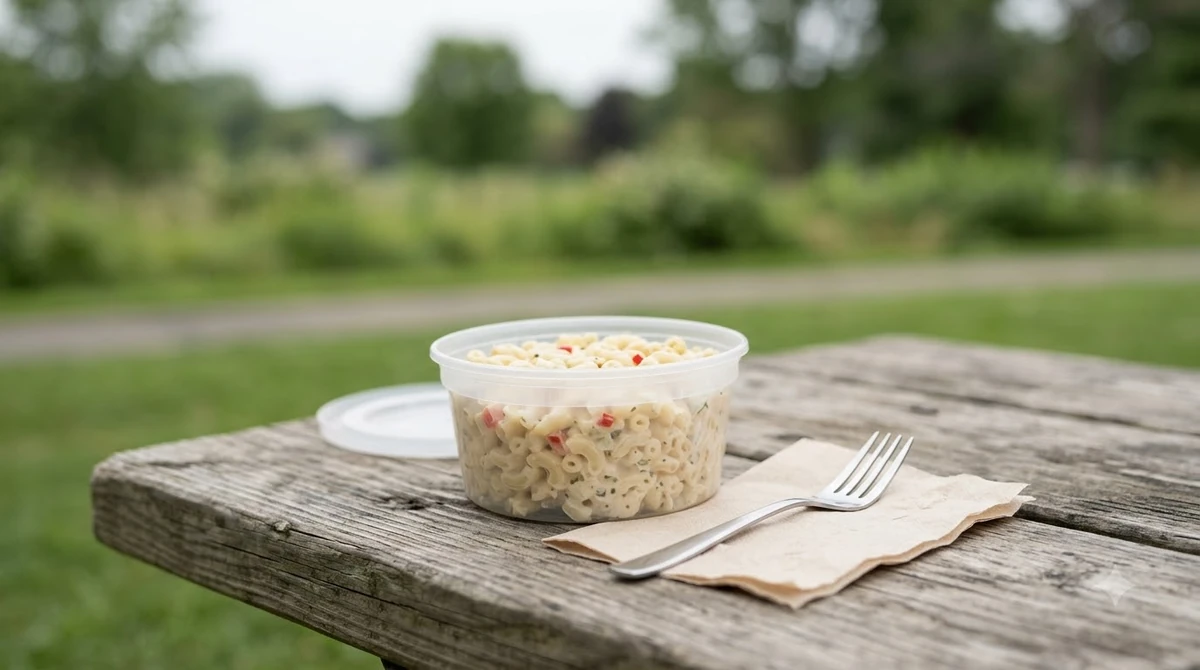
Food Republic describes running pasta under cold water after boiling to stop the cooking process, which prevents a pasta salad from turning mushy. Taste of Home gives the same advice for salads: rinse in cold water after straining, because the extra starch would soak up the dressing and leave the salad drier and less flavorful.
Why Pasta Gets Gummy as It Cools
Mental Floss explains that starch congeals as pasta cools, which is why “do you rinse pasta after cooking” depends on timing. The result is an unpleasant, gummy texture. The fix it recommends is to rinse the pasta as soon as it is done cooking, which prevents the problem before it starts.
Timing matters here, and it matters most when you ask “do you rinse pasta after cooking” for a salad. Once cooked pasta has sat and the starch has set, a rinse later will not bring back the smooth texture. Drain and rinse right away when you know the pasta will be cold, and skip the rinse when it is going straight into a hot sauce.
A cold rinse also gives you control over texture. Cold water halts the cooking, so the noodles stop softening while they wait for the dressing, vegetables, or cheese. That is why the rinse belongs to cold dishes and not to dinners served straight from the pot.
Asian Noodles Are the Main Exception to the Rule
For Asian noodles, the answer to “do you rinse pasta after cooking” depends on the type. Soba, udon, and somen are usually rinsed, but sources disagree on ramen, so check the package or recipe before you decide.
| Noodle | Culinary Lore | The Takeout |
|---|---|---|
| Soba | Usually rinsed | Not named |
| Udon | Usually rinsed | Rinsed, even in hot dishes |
| Somen | Usually rinsed | Not named |
| Ramen | Do not rinse | Rinsed, even in hot dishes |
Culinary Lore’s noodle guide explains that Asian noodles often contain much more starch, so a rinse can sometimes help them stay separate. The Takeout names ramen and udon as the exception to the no-rinse rule, and it says rinsing is common even when the noodles go into a hot dish.
Because the two sources disagree on ramen, use the package instructions first, since that is the most reliable answer to “do you rinse pasta after cooking” for that noodle. If the package is silent, rinse only when the noodles are going into a cold dish or sticking badly, and keep a cup of the cooking water for the sauce if you are making a hot one.
What to Do Instead of Rinsing Pasta
Reserve about one cup of starchy pasta water for sauce before draining, then use it to loosen and bind the sauce. This gives you the binding effect of the starch without washing it away.
- Salt the water generously. Taste of Home suggests about 1-1/2 tablespoons of kosher salt per pound of pasta, or for every gallon of water in the pot.
- Use about 1 gallon of water for every pound of dried pasta so the noodles cook in plenty of water.
- Before you drain, dip a measuring cup or ladle into the pot and set aside about a cup of the water.
- Taste a noodle 1 to 2 minutes before the time on the package, because doneness is judged by taste as much as by the clock (see how to cook pasta al dente).
- Drain the pasta, move it to the pan with the sauce, and add the reserved water a splash at a time while you toss.
For “do you rinse pasta after cooking” questions, the reserved water is the practical substitute. Food Republic recommends setting aside a cup or two before straining and adding some back with the sauce as you toss. Taste of Home says the starchy, salty water helps thicken the sauce and bind it to the pasta, which gives a silky finish that rinsing would have removed.
Common Mistakes After Draining Pasta
The most common mistake is rinsing hot pasta and then tossing it with oil, which makes the sauce slide off even more. Many people who search “do you rinse pasta after cooking” rinse out of habit. Most of the mistakes come from treating pasta like a side dish you can finish early and reheat later.
- Rinsing hot pasta out of habit, which washes off the starch that helps sauce cling.
- Tossing rinsed pasta with olive oil, which Taste of Home says makes the sauce slip even more.
- Letting cooked pasta sit before dressing it, because the starch congeals as it cools.
- Adding plain tap water to loosen a thick sauce instead of the starchy cooking water.
Mental Floss notes that starchy water is better than plain tap water for thickening and binding sauce, so the cup you reserved does more than the tap water ever could.
Frequently Asked Questions
Does rinsing pasta remove all the starch?
No. Rinsing removes the surface layer, which is the part that helps sauce cling. Culinary Lore estimates that dried pasta is about 65% starch and that cooking releases much of it, leaving roughly 25% by one author’s figure. Some starch stays inside the noodle, and the surface film is what a rinse takes off.
Do you rinse pasta after cooking if you store it?
Only if you plan to eat it cold, such as in a salad. Rinse it in cold water as soon as it is drained, because starch congeals as pasta cools and turns gummy. For hot pasta you plan to finish with sauce, skip the rinse and toss it straight into the pan. If you are saving leftovers, our guide on how to reheat pasta covers the next step.
Is it okay to rinse spaghetti if it sticks together?
Rinsing can help prevent clumping, but it also washes away the starch that helps sauce cling. For hot spaghetti, stir the pasta right after draining and toss it into the sauce with a splash of reserved water instead. If your noodles still clump after draining, the cause is explained in why pasta turns sticky.
Does rinsing pasta change the taste?
It can. Mental Floss warns that washing the starch off leaves naked, flavorless noodles, so hot pasta served after a rinse often tastes plainer than pasta tossed straight in the sauce.
How much pasta water should you save?
About one cup. Taste of Home suggests setting aside about a cup, and Food Republic says a cup or two. Add it gradually to the sauce until the sauce coats the noodles.
For “do you rinse pasta after cooking” at most hot dinners, skip the rinse and reserve a cup of pasta water before you drain. Rinse only when the pasta will be served cold, as in a salad, or when the package or recipe calls for it, as with some Asian noodles. When you are unsure about “do you rinse pasta after cooking,” taste the noodles early and toss them straight into the sauce.
 8 min readLearnCan You Refrigerate Pizza Dough After Rising?Updated Nov 11, 2026
 8 min readLearnManicotti Pasta: Shape, Size, Cooking Times and SubstitutesUpdated Nov 10, 2026
 8 min readLearnChifferi Pasta: Shape, Cooking and 1 Simple RecipeUpdated Nov 10, 2026
 7 min readLearnLasagnette Pasta: Shape, Uses and Cooking TipsUpdated Nov 11, 2026
 9 min readLearnGnocchi vs Pasta: Ingredients, Cooking and Which to ChooseUpdated Nov 14, 2026
 9 min readLearnFresh Pasta vs Dried Pasta: How They Differ in Cooking, Storage and SauceUpdated Nov 12, 2026