
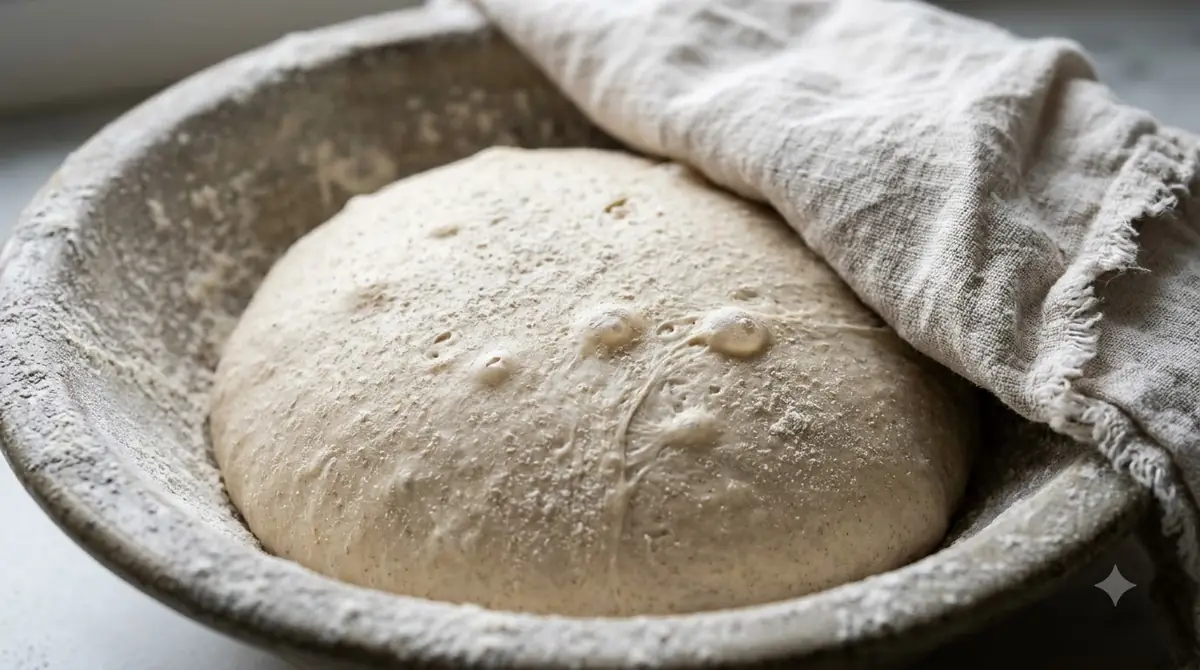

Pizza dough balls sticking together usually means they touched while proofing or sitting in storage, and the surface was warm or too moist to keep them apart. Oiling the containers and keeping each ball separate prevents most cases. The fix is simple, but it helps to know which cause you have before you change the recipe.
Why Pizza Dough Balls Sticking Together Happens
Pizza dough balls sticking together happens when their surfaces are soft and damp and two of them stay in contact for a long time. Warmth is the main driver of pizza dough balls sticking together. Prepa Pizza’s guide notes that stickiness can often happen when dough is too warm or has been left out too long.
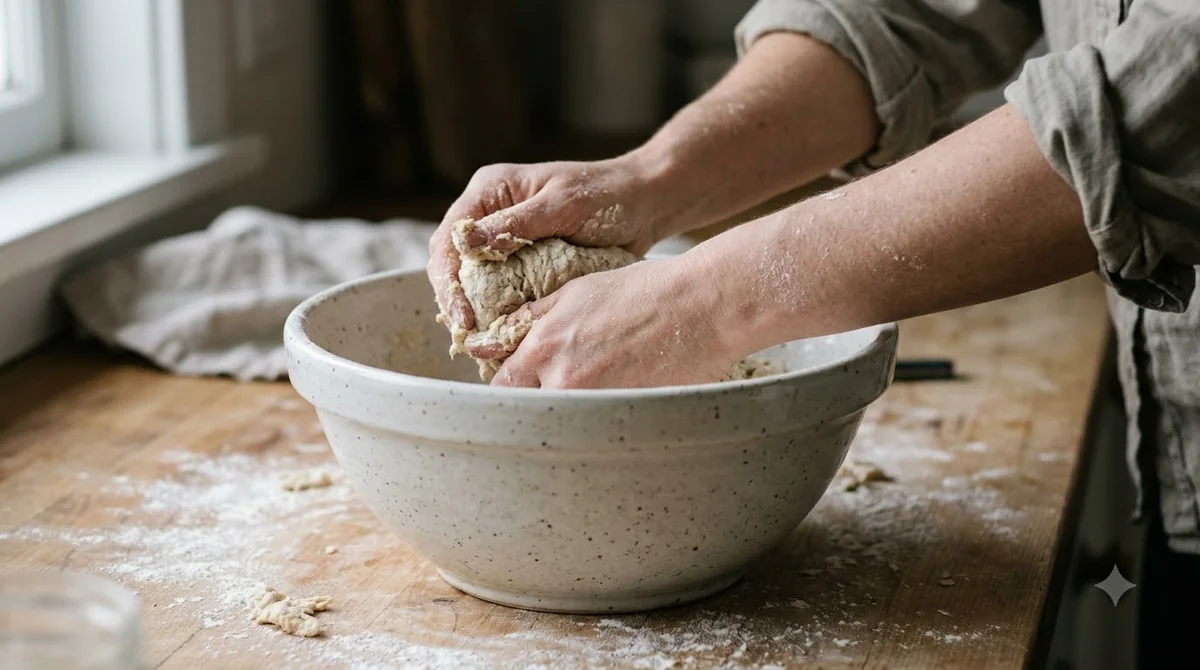
The same source says to check that the dough is at the right temperature, so the goal is steady handling rather than leaving dough out for long stretches. A dough that is too warm softens and spreads, and a ball that spreads has more surface to grab its neighbor, which is how pizza dough balls sticking together begins.
Hydration plays a role as well. A wetter dough has more surface moisture, which makes pizza dough balls sticking together more likely. Prepa Pizza suggests adding a teaspoon or two of olive oil to the mixture for better manageability, which is a recipe change rather than a storage fix.
Prepa Pizza also says a higher hydration level, typically above 65 percent, gives a wetter dough that sticks more easily to surfaces. If your balls keep fusing, check the water in the recipe before you blame the container, and see pizza dough too sticky for more fixes. The same page lists a mix of one part cornmeal to two parts all-purpose flour as a dusting option that creates a barrier between dough and surface, and it warns that too much dusting can change the dough’s texture. Pizza dough balls sticking together is easier to avoid when the dusting stays light.
The most common causes usually look like this:
- Balls placed close together with no gap between them
- A warm room, or dough left out on the counter too long
- No oil or flour between the balls and the container
- A cover that traps moisture against the surface of the dough
- Overproofed dough that has softened and flattened
How to Stop Pizza Dough Balls Sticking Together During Proofing
Lightly oil each container and keep the balls apart, which stops most pizza dough balls sticking together before it starts. Ooni’s storage guidance for dough balls is to lightly oil the sides of several airtight, lidded containers to prevent the dough from sticking, and it notes that olive oil works well for this.
Ooni also advises placing each ball inside a separate container and covering it. That single step removes most contact between balls, which is the main way to prevent pizza dough balls sticking together, because no two pieces of dough share a surface. Oiling the container sides, as Ooni describes, keeps the dough from gripping the wall of the container.
- Divide the dough into equal pieces and shape each one into a ball.
- Lightly oil the sides of each container with olive oil.
- Place one ball in each container so no two balls share a space.
- Cover the containers and keep them away from direct heat while they proof.
Each method below has a specific job. Use them together rather than choosing only one.
| Method | What it does | Watch for |
|---|---|---|
| Oiled container sides | Stops the dough from gripping the wall and its neighbors | Use a light coat, since heavy oil leaves the surface slick |
| Flour or semolina on the bench | Creates a barrier under each ball during shaping | Brush off excess before the ball goes into the container |
| Olive oil in the mix | Improves how the dough handles, per Prepa Pizza (one or two teaspoons) | A recipe change, so it does not replace separate containers |
| Separate lidded containers | Keeps each ball apart and covered during proofing | Needs enough room in the fridge or on the counter |

How to Separate Pizza Dough Balls Sticking Together After They Touch
Pull the balls apart gently with lightly oiled or floured fingers, and do it soon after they touch. Pizza dough balls sticking together for a long time tend to fuse at the contact point, which makes it harder to separate without tearing.
Work slowly and lift from the edge rather than from the middle, so the pull is spread across the surface. If a small tear appears, press the seam back together with a bit of oil and let the ball rest briefly before shaping it. A tear that is too large usually means the dough was already overproofed, and it is better to reshape it into a new ball than to force it.
- Lightly oil your fingers and the work surface.
- Lift each ball from the edge and pull in small steps.
- Re-round each ball gently with a dusting of flour or semolina.
- Place each ball in its own covered container.
Freezing dough balls that are stuck together
Separate the balls before you freeze them, since a fused spot is easier to fix while the dough is still soft. Ooni’s guidance is to place each ball in a separate container and store the dough in the freezer for up to 3 months. Check your recipe or the dough supplier’s notes for thawing guidance, since the sources read for this article did not give a thawing time. Our how to thaw frozen pizza dough guide covers thawing.
Storage Setup That Keeps Dough Balls Apart
Use one lidded container per ball, oiled on the sides, and keep the dough cold until you need it. This setup works for same-day proofing and for storage in the fridge or freezer.
A few details make the setup more reliable. Airtight containers keep the surface from drying and forming a skin that can pull on its neighbor. Label each container with the date so you know which dough to use first. For fridge timing, see how long pizza dough lasts in the fridge. If you proof on the counter, keep the containers out of direct sun and away from the oven, since Prepa Pizza flags warmth and long time out of the fridge as causes of sticky dough, and both make pizza dough balls sticking together more likely. When you handle the balls, the same page suggests wetting your hands instead of using flour to cut down on mess and stickiness.
Frequently Asked Questions
Why are my pizza dough balls sticking together?
Pizza dough balls sticking together usually happens when they touch during proofing and the surface is warm or moist. Oiling the containers and keeping each ball in its own space prevents most cases. Check the room temperature and how long the dough sits out.
Should I oil or flour pizza dough balls?
Oil the container sides, and dust the work surface with flour or semolina while shaping. Prepa Pizza describes flour or semolina as a barrier on the surface. Use both methods together, and keep the coat light so the dough does not slide around.
Does olive oil in the dough stop sticking?
Olive oil in the mix can make dough easier to handle, and Prepa Pizza suggests one or two teaspoons for that purpose. It does not replace separate containers, because balls that touch can still fuse during proofing.
Can I freeze pizza dough balls that are stuck together?
Separate them first, then freeze each ball in its own container. Ooni notes that dough can be stored in the freezer for up to 3 months this way. Freezing does not undo a fused spot, so separate the balls while they are still soft.
How far apart should pizza dough balls be?
The sources read for this article did not give a spacing number, so check the recipe or container guidance for the exact gap. The safest approach is one ball per container, which removes spacing from the equation.
Pizza dough balls sticking together is usually a handling problem rather than a failed recipe. Keep the balls apart, oil the containers lightly, and separate them early if they start to touch. A small change in temperature or spacing often makes the next batch behave well.
 6 min readLearnDough Ball Weight for 14 Inch Pizza by Crust ThicknessUpdated Nov 13, 2026
 9 min readLearnHow to Shape Pizza Dough BallsUpdated Nov 10, 2026
 9 min readLearnWhy Pizza Dough Smells Like Alcohol and What to Do About ItUpdated Nov 11, 2026
 9 min readLearnWhy Is My Pizza Dough Tough? Causes and Easy FixesUpdated Nov 12, 2026
 7 min readLearnPizza Dough Shrinking Back? Why It Happens and How to Fix ItUpdated Nov 10, 2026
 8 min readLearnHow to Keep Pasta from Sticking TogetherUpdated Nov 10, 2026