
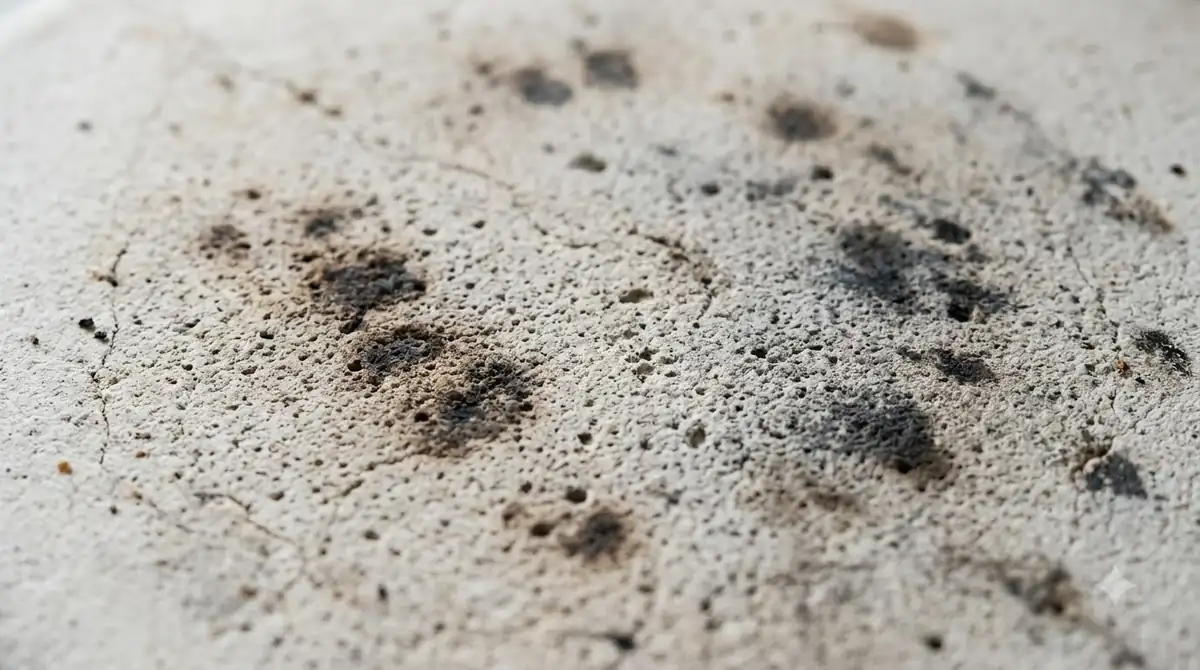

Learning how to season a pizza stone starts with a surprise: the oil method people find online is written for steel, not stone. The care guides from America’s Test Kitchen and Food Network give no oil seasoning method for a pizza stone. Care comes down to heat, cooling and cleaning, and each of those steps has a clear reason behind it.
Do You Need to Season a Pizza Stone?
None of the care guides we checked says a pizza stone needs an oil coating, so knowing how to season a pizza stone does not mean oiling it the way you would a steel.
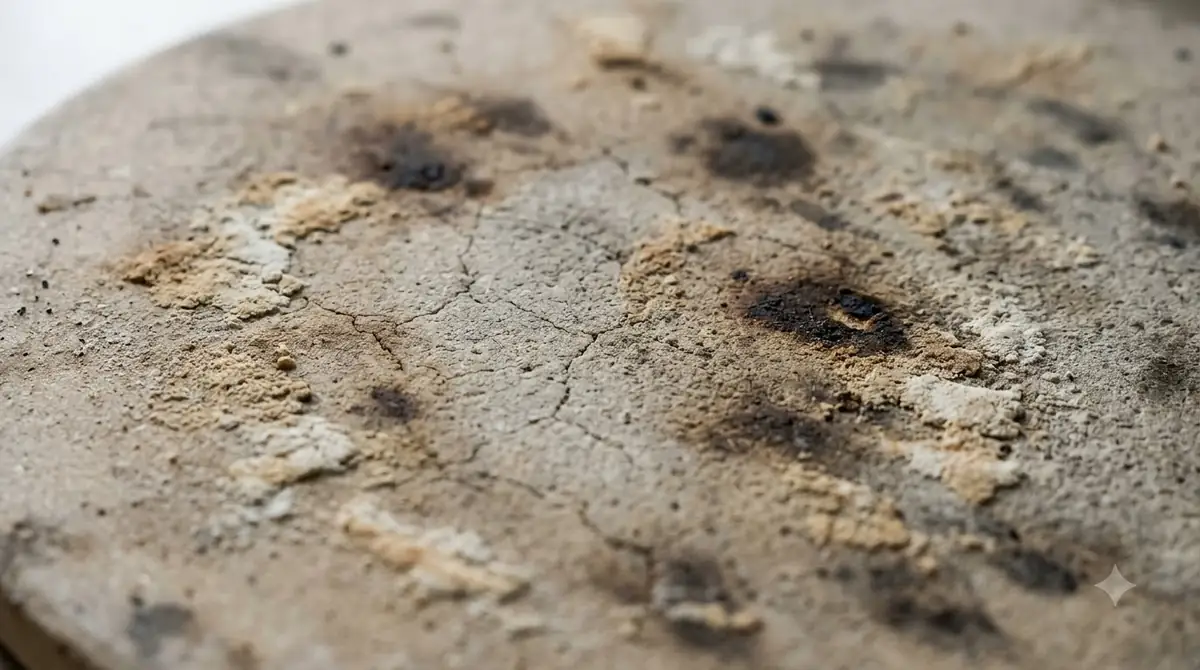
America’s Test Kitchen reports that food residue on a stone or steel is rendered into harmless ash the next time the surface is preheated to 500 degrees Fahrenheit. That heat burns off leftover food bits, so a stone does not need a protective oil layer to handle them.
Anyone who wants to know how to season a pizza stone should first confirm which material they own. Oil guidance you see for pizza steel comes from steel care guides. A steel is a different material with a different job, and the same steps do not transfer cleanly to a ceramic or cordierite stone. Check the maker’s instructions for your own stone before you apply anything to its surface. If you are still choosing between the two, our pizza stone vs pizza steel comparison explains how they differ, and the cordierite vs ceramic pizza stone guide covers the stone materials.
How to Season a Pizza Stone Before the First Pizza
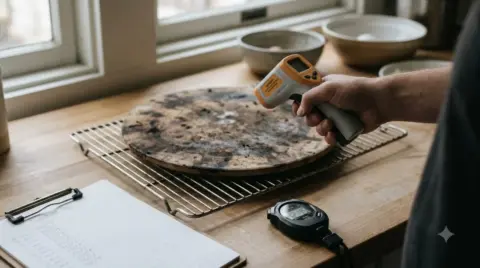
For how to season a pizza stone in practice, preheat a new stone slowly so it adjusts to heat, and so any leftover residue burns off before food touches it.
- Let the stone heat with the oven rather than moving a cold stone into a very hot oven. Food Network warns that a pizza stone “needs to change temperature slowly to avoid cracking or even exploding.”
- Preheat to 500 degrees Fahrenheit, the temperature at which America’s Test Kitchen says residue turns to ash.
- For how to season a pizza stone, follow the preheat time in your oven or stone maker’s manual. The care guides give no fixed number of minutes, so check the package or manual.
- Keep water away from the hot surface. America’s Test Kitchen warns that a hot stone can crack if it comes in contact with water.
Taking these steps the first time sets the routine for every later bake. Food Network notes that a stone can act as a temperature stabilizer in the oven, minimizing hot spots. It also says that once the base is preheated, a home oven can cook pie after pie much quicker than a sheet pan, although preheating can slightly increase the oven’s preheat time. For exact timing, see our guide on how long to preheat a pizza stone.

How to Clean and Care for a Stone Without Cracking It
Let the stone cool fully, brush off loose bits, and rinse briefly without soap, because an unglazed stone can crack and soap can stay in its pores.
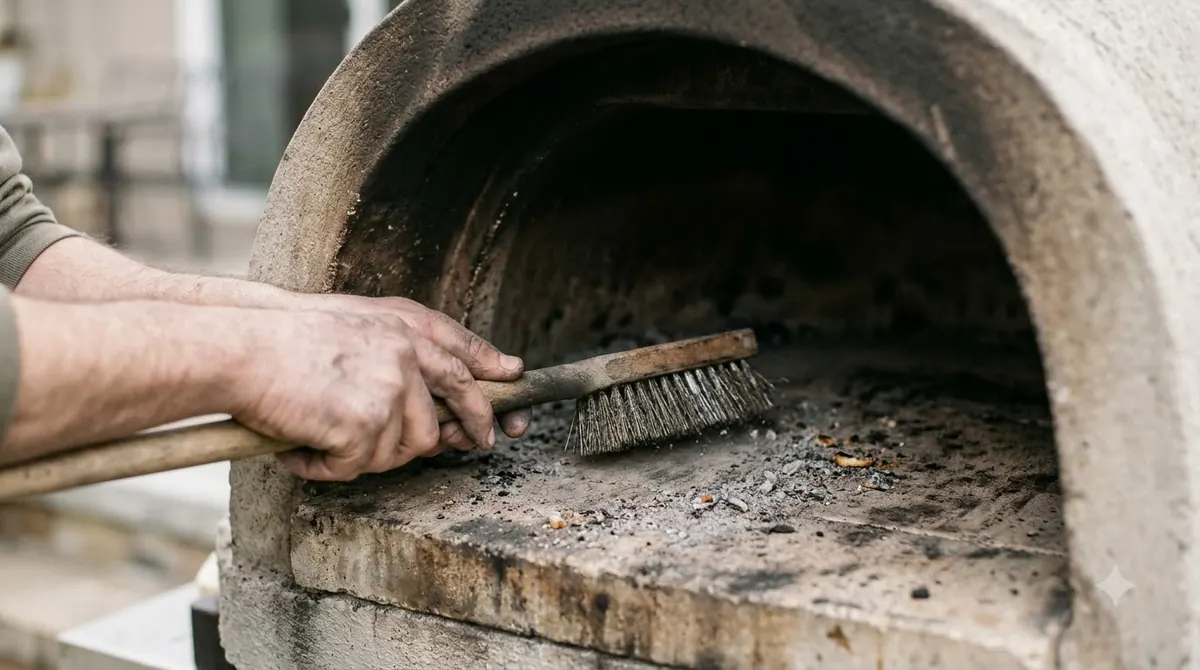
Cleaning is the part of how to season a pizza stone that matters most. Food Network gives a practical sequence for stone care. The steps below follow that guidance and the America’s Test Kitchen advice on soap and drying.
- Wait until the stone is cool. Food Network says to brush only “when absolutely cool (this could take an hour or more).”
- Rinse briefly under warm water. Food Network says to rinse “briefly (never soak).”
- Skip soap. Keeping how to season a pizza stone simple means leaving soap out. America’s Test Kitchen advises against soap on an unglazed ceramic stone, where it can get trapped in the pores.
- Dry it fully. America’s Test Kitchen advises that the stone be thoroughly air-dried before you use it again.
- Use coarse salt or baking soda only as a last resort. Food Network says to use an abrasive only “if you think an abrasive product is necessary, but don’t overdo it.”
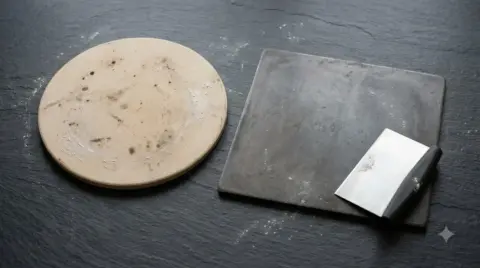
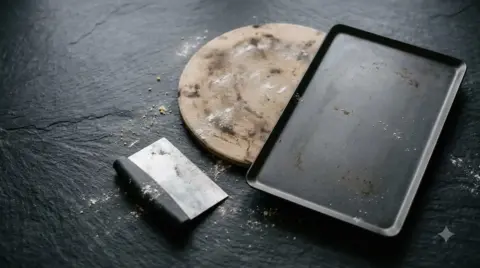
In practice, the surface care below is the closest thing a stone needs to seasoning, and it covers how to season a pizza stone for everyday use. America’s Test Kitchen advises scraping off food blobs and excess char rather than washing the surface. Food Network adds that a stiff brush removes any food left on the stone once it is cool.
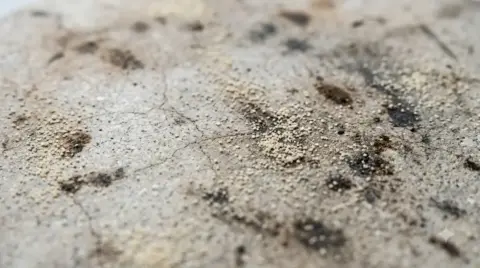
Food Network also notes that changes in color and some staining are normal. A darker stone is not automatically a damaged stone, and it does not mean the stone needs seasoning.
Food Network describes thermal shock, a sudden change in temperature, as a cause of cracking. Treat any sudden change with care, whether it is heat or cold.
How Pizza Steel Seasoning Differs
A pizza steel is seasoned with a micro-thin layer of high smoke point oil, then baked at 400 degrees Fahrenheit for one hour. A stone is not described that way in the care guides we checked, which is why this guide treats how to season a pizza stone as a heat and care question.
| Step | Pizza steel | Pizza stone |
|---|---|---|
| Oil | Flaxseed is the top choice; grapeseed, canola or vegetable oil also work | No oil method given in the care guides |
| Oven step | 400 degrees Fahrenheit for one hour | No seasoning bake given |
| Cooling | Cool completely inside the oven | Let it cool in the oven if you can |
| Soap | Wash with hot water when removing rust, then dry and re-season | Skip soap on an unglazed stone |
| Re-season | When it looks dull and gray or food sticks, often once or twice a year | No seasoning schedule given |
Baking Steel describes its re-seasoning process as building up a natural, non-stick surface. The care guides do not describe a non-stick coating for a stone, so this guide does not treat a stone as having one. If you are shopping, see our guides to the best pizza stones and best pizza steels.
Steel is the material that gets an oil coat in these sources, and a stone is not treated that way. For anyone comparing how to season a pizza stone with steel care, the steel steps are detailed in Baking Steel’s re-seasoning guide, which describes a thin, even coat rather than a thick one. If you own a steel, follow those steps. If you own a stone, the table shows where the two diverge.
Common Mistakes to Avoid
When you learn how to season a pizza stone, avoid steel habits such as oiling. The most common stone mistakes are soaking it, using soap, and adding water to a hot surface. Each one can shorten the life of the stone or change how it bakes.
- Soaking the stone. Rinse it briefly and never leave it in water.
- Using soap. The porous surface can absorb it and make your next pizza taste soapy.
- Adding water to a hot stone. A hot stone can crack on contact with water.
- Cleaning too early. Food Network says to wait until the stone is absolutely cool before you brush it, which could take an hour or more.
Frequently Asked Questions
Should I put oil on a pizza stone?
When you learn how to season a pizza stone, none of the care guides we checked recommends putting oil on it. The oil and oven steps in the steel guides are written for steel, so check your stone maker’s instructions before applying any oil.
Do I need to season a new pizza stone before the first bake?
The care guides do not describe an oil seasoning step for a new stone, so how to season a pizza stone for a first use means heat and care, not oil. Preheat it slowly, as Food Network advises for temperature changes, and follow the preheat time in your manual, since no fixed number appears in the guides.
Is a dark or stained stone a problem?
Food Network states that changes in color and some staining are normal. Color alone is not a sign that the stone needs seasoning or that it has failed.
Can I use soap on a pizza stone?
Food Network says soap is unnecessary, and the porous surface can absorb some, making your next pie taste soapy. America’s Test Kitchen advises against soap on an unglazed ceramic stone.
How long should a pizza stone cool before cleaning?
Food Network says to brush the stone when it is absolutely cool, which could take an hour or more. Letting it cool inside the oven is a practical way to avoid moving a hot stone.
What oil works best for a pizza steel?
If you own a steel, Baking Steel names organic flaxseed oil as its top choice, and says grapeseed, canola or vegetable oil also work well. Use only a thin layer, then wipe off as much as you can.
How often should a pizza steel be re-seasoned?
Baking Steel says to re-season when the steel looks dull and gray or when food starts to stick. For most users, that is once or twice a year, depending on use.
If you are learning how to season a pizza stone for the first time, start with heat and cleaning, not oil. If your stone looks stained, the sources point to food residue and normal color change, not a missing seasoning step. Once you know how to season a pizza stone, focus on cooling it fully, brushing off loose bits and drying it before the next bake. If you own a steel instead, follow its maker’s oil steps and keep the oil layer thin.
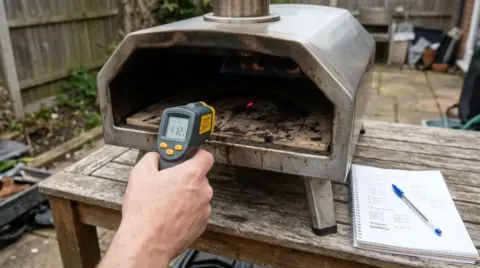 8 min readLearnHow to Cook Pizza on a Pizza Stone in the OvenUpdated Nov 10, 2026
 8 min readLearnHow Long to Preheat a Pizza Stone in Your OvenUpdated Nov 10, 2026
 6 min readLearnPizza Stone on Gas Grill: Heat, Preheat and BakeUpdated Nov 13, 2026
 8 min readLearnPizza Stone Turned Black? Why It Happens and When to WorryUpdated Nov 6, 2026
 8 min readLearnWhy Did My Pizza Stone Crack, and Can You Still Use It?Updated Nov 10, 2026
 8 min readLearnAcini di Pepe Pasta: What It Is, How to Cook It and What to Use InsteadUpdated Nov 11, 2026