
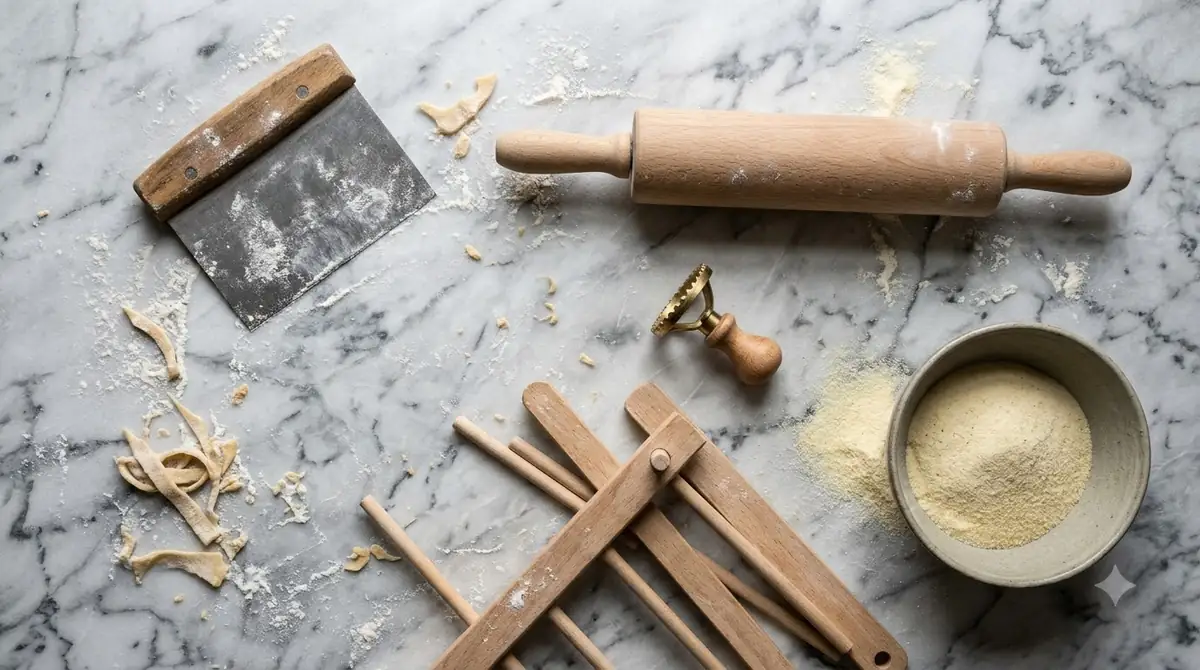

Here is how to use a ravioli cutter: lay filling on one sheet of dough, cover it with a second sheet, press out the air around each mound, then cut the pieces. The cutter trims sealed pasta into single pieces and leaves a patterned edge. Seal the pasta before you cut, or the filling can leak out during cooking.
What a ravioli cutter does
A ravioli cutter separates stuffed pasta into individual pieces, so each one has its own sealed edge.
Ravioli is a stuffed pasta with a filling enclosed in thin dough. According to Wikipedia’s ravioli entry, the pasta is usually made from water and flour, sometimes with eggs. The shapes are commonly square, although circular and semi-circular forms are also used.
A ravioli cutter is not a mold. It does not shape the dough into a cup, so the seal has to be made by hand before the cut, as Tasting Table’s method shows.
Most home cutters are either a round cutter, a fluted wheel or a stamp. If you are choosing one, our ravioli cutter guide compares the types. Each one cuts the same job in a slightly different way, so the sealing step matters just as much as the cut.
Before you start: dough, filling and tools
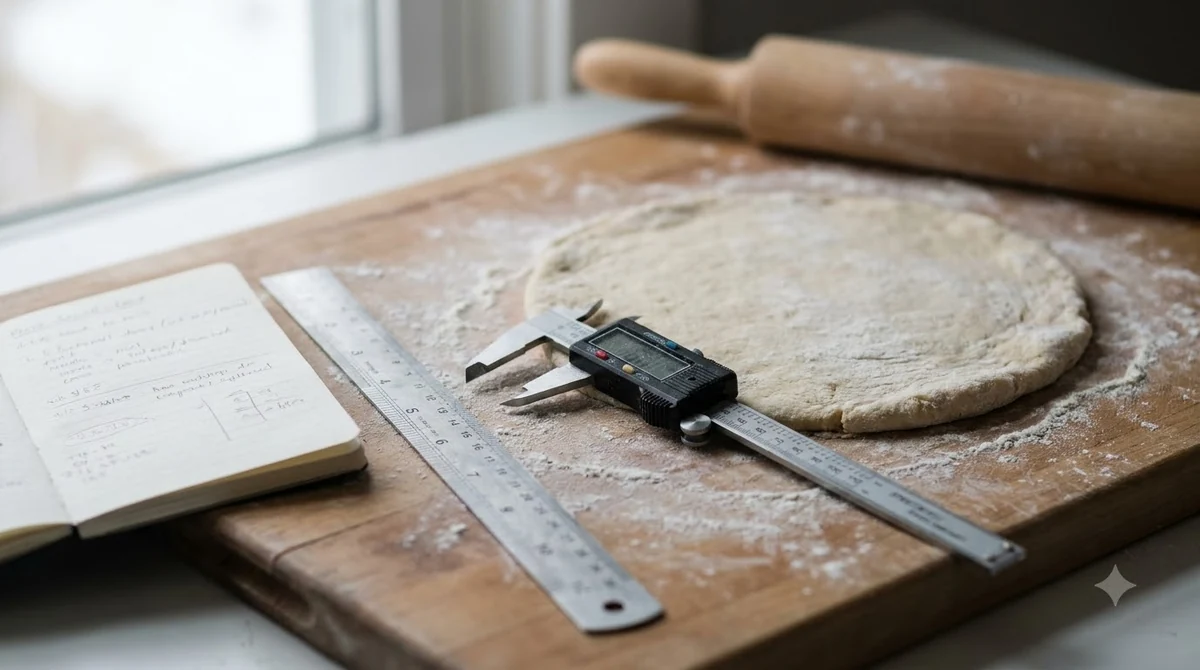
Before you learn how to use a ravioli cutter, roll the dough thin, keep the filling thick rather than wet, and choose a cutter at least 3 to 4 inches across.
A wet filling makes the seal harder to close, because liquid pushes between the two sheets. Cool any cooked filling before you spoon it on, and drain anything that releases juice.
Fresh dough is the base for any homemade ravioli. A seller listing for a 2-inch ravioli stamp tells you to roll the dough very thin before cutting, so the two layers are easier to press together at the seal.
- Keep a light dusting of flour on the work surface so the dough does not stick.
- Choose a round cutter at least 3 to 4 inches across, which leaves room for a spoonful of filling and a margin to seal.
- Keep the filling thick and fairly dry, so it does not push through the dough.
- Have a fork ready for the edges, or use your fingers.
- Cover the sheet you are not working with, so it does not dry out.
Step-by-step: how to use a ravioli cutter
The fold-over method is the simplest way to use a ravioli cutter: fill one half of the sheet, fold the other half over, seal around each mound, then cut.
Tasting Table’s ravioli method is a fold-over approach in which you press around each mound to seal out air before cutting out the shapes. Follow these steps.
- Roll a sheet of dough thin and lay it flat on a floured surface.
- Space small spoonfuls of filling along one half, leaving room between them.
- Fold the other half of the sheet over the filling.
- Press firmly around each mound, working outward from the filling, so no air stays trapped.
- Center the cutter over each mound and press straight down to cut a round piece. If you use a fluted wheel, roll it between the mounds instead.
- Crimp the cut edges with a fork or your fingers to firm up the seal.
- Set the finished pieces on a floured sheet until you are ready to cook them.
When you use a ravioli cutter, press straight down rather than rocking it, since sliding can smear the seal and drag the dough out of shape.
Practice on a few pieces first. Once you know how to use a ravioli cutter with your dough and filling, each batch goes faster.
Work in batches when you use a ravioli cutter. Keep the rest of the dough covered and cut only as many pieces as you can seal and set down in one session, so the edges do not dry out before you cook them.
Types of cutter and how they differ
Round cutters, ravioli stamps and fluted wheels each leave a different shape or edge, so pick the one that matches the look you want.
| Tool | Shape or edge | Size or note | Sealing step |
|---|---|---|---|
| Round cutter | Round pieces | At least 3 to 4 inches across | Press edges with fingers or a fork |
| Round ravioli stamp | Round pieces with a cut edge | 2 inches across, 4 inches tall, cast aluminum with a beechwood handle | Brush the edges with egg yolk, then press around the edges |
| Fluted pastry wheel | Jagged or patterned edge | Cuts a jagged or patterned edge | Seal around each mound before rolling between them |
If you make ravioli often, a round cutter is the most flexible option, because it works on any sheet you can roll. A stamp is limited to its one size. See how to use a ravioli stamp for that method.
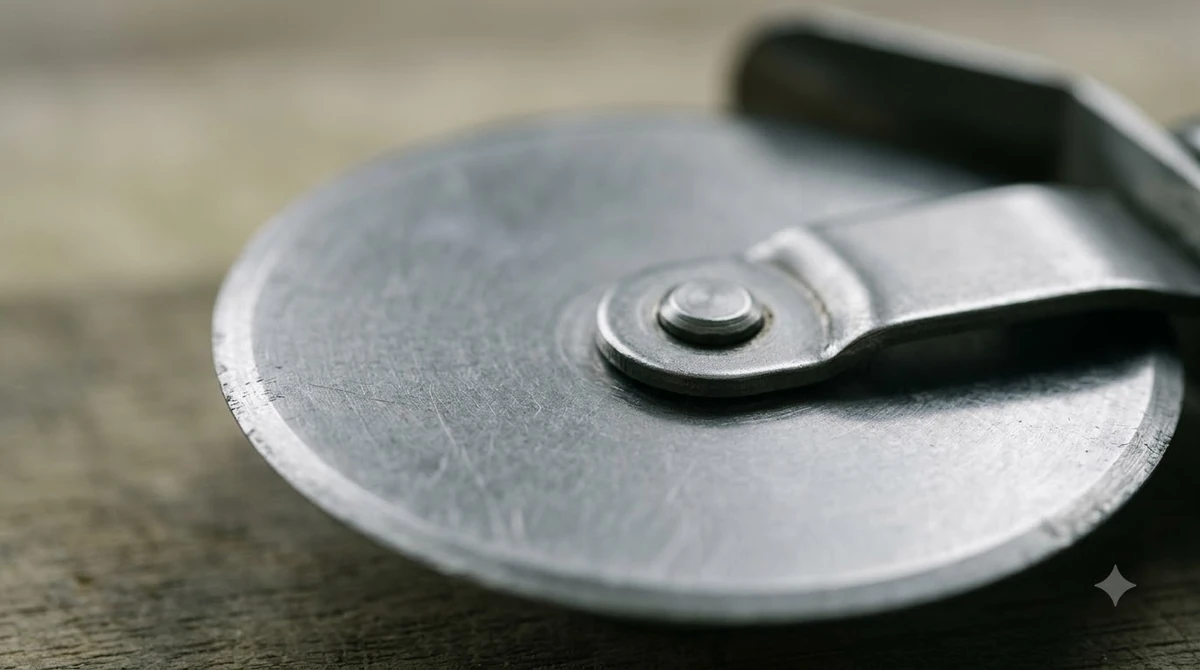
A pastry wheel is a kitchen tool for cutting pastry and other doughs, with a small wheel on a handle that leaves a jagged or patterned cut. Wikipedia’s pastry wheel entry notes that the first attested professional kitchen use dates to Italy in 1549.
Common mistakes and how to fix them
When you use a ravioli cutter, the three problems to watch are a cutter that is too narrow, air trapped under the top sheet, and filling that bursts during cooking.
- A cutter that is too narrow leaves too little room for filling and too little dough to seal. Switch to a wider cutter.
- A cutter that is too small for the filling makes it hard to work around each mound. Measure the mound before you cut.
- Trapped air can leave gaps in the seal. Press outward from each mound before you cut.
- Filling can burst during cooking. The Fantes listing suggests making a small hole with a toothpick in each piece to help prevent this.
If the sheet cracks when you fold it, let it rest under a cloth before you try again. Keep the edges clean and dust them lightly with flour so the two layers do not stick before you press them together.
Slightly irregular edges are normal and give a rustic look. If the dough tears, gather the scraps, let them rest, and re-roll them rather than forcing the seal.
Frequently Asked Questions
What size should a ravioli cutter be?
A round cutter should be at least 3 to 4 inches across, according to Tasting Table. That size leaves room for a spoonful of filling and a margin to seal the edges. A smaller option is the 2-inch round stamp described in the Fantes listing, which makes smaller pieces.
Can I use a pizza cutter instead?
You can, and it works for practicing the steps, but a plain pizza cutter gives straight edges, not the jagged or patterned edge a fluted pastry wheel leaves. It still cuts the sealed sheet into pieces, so press the edges together well before cutting.
Why do my ravioli burst?
Bursting usually comes from trapped air, a weak seal or too much filling. Press out air around each mound and seal the edges firmly. The Fantes listing also suggests a small toothpick hole in each piece to help prevent bursting during cooking.
Should I seal the edges with a fork or my fingers?
Either works. Tasting Table says to press the edges together with your fingers or a fork. Both methods press the two sheets together so the filling stays inside.
What is the difference between a wheel and a stamp?
A fluted wheel rolls between the mounds and cuts several straight-line edges in one pass. A stamp presses down once per piece and cuts a single round shape each time. The stamp is slower, but each piece comes out the same size, as the Fantes 2-inch model shows.
How do I keep cut ravioli from sticking together?
Set the pieces on a floured sheet in a single layer so they do not touch. The Fantes listing advises keeping the finished ravioli on a floured sheet until you are ready to cook them.
How long should I cook fresh ravioli?
Knowing how to use a ravioli cutter does not change cooking time, which depends on dough thickness and filling, so follow your recipe for the time. Test one piece before cooking a full batch, so you can adjust for thickness and filling.
Pick a cutter that matches the shape you want, roll the dough thin, and seal before you cut. Once you have learned how to use a ravioli cutter on one batch, the steps become routine. Keep a toothpick nearby for the holes, and re-roll scraps rather than forcing torn dough. If you own a stand mixer, compare this with how to use a KitchenAid ravioli maker, and find more tools in the gear and pantry guides.
 9 min readGear & PantryRavioli Cutter Guide: Types, Sizes and How to Use OneUpdated Nov 10, 2026
 9 min readGear & PantryHow to Use a Ravioli Maker: Step-by-Step for Dough and FillingUpdated Nov 10, 2026
 9 min readGear & PantryHow to Use a Ravioli Mold: Step-by-Step GuideUpdated Nov 10, 2026
 8 min readGear & PantryHow to Use a Ravioli Stamp at HomeUpdated Nov 10, 2026
 10 min readGear & PantryRavioli Mold: What It Is and How to Use One at HomeUpdated Nov 17, 2026
 8 min readGear & PantryHow to Use a Pasta Cutter at HomeUpdated Nov 10, 2026