
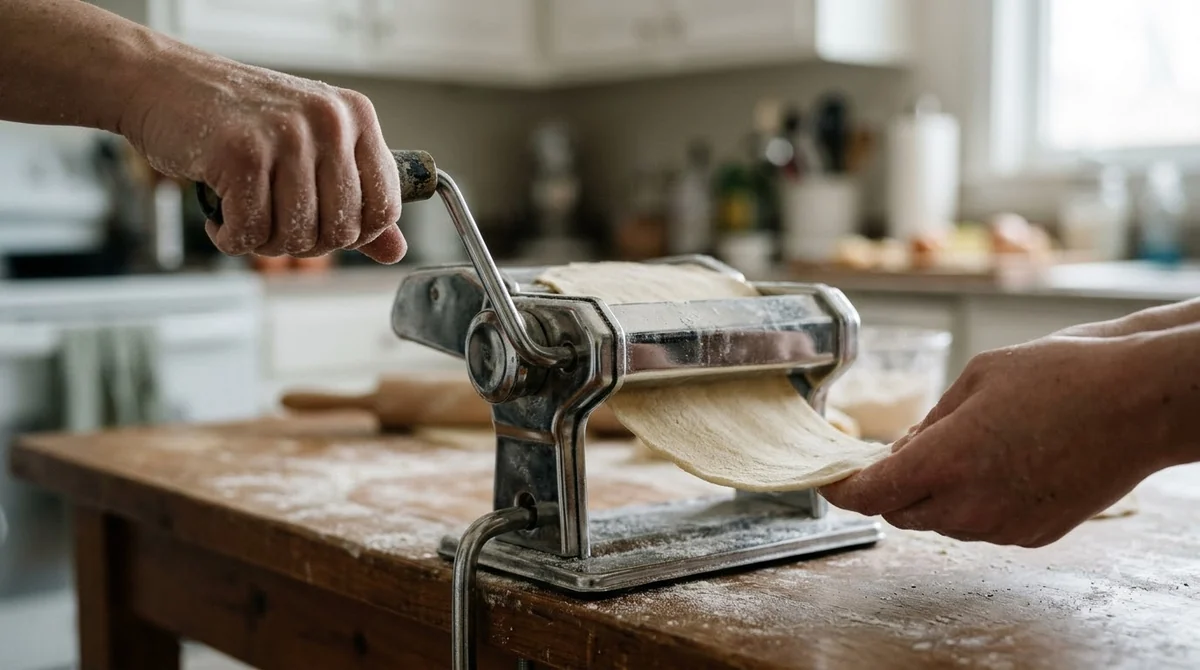

A pasta machine for ramen noodles can work, but only when its thickness range and cutter width match the ramen style you want. Ramen-style noodles are usually thin and alkaline, while most pasta machines are built around Italian shapes. Knowing where the two overlap helps you avoid a machine that only makes pasta well.
Check the thickness range, the cutter sizes and whether you need an electric or manual model before you buy. Start with the basics below, then compare the options that match your kitchen and your dough.

MARCATO Atlas 150 Machine, Made in Italy, Red
Pros & ConsViewHide
Reasons to buy
- Made in Italy hand-crank pasta machine rolling dough in steps
- Includes a pasta cutter and hand crank
- Fits Marcato attachments and the optional motor
Reasons to avoid
- Only rolls and cuts the sheet; tortellini are still shaped by hand
- Takes more counter and storage space than a hand cutter
- Fixed to a countertop edge, so check clamp room

Marcato Capellini 150 Pasta Cutter Attachment
Pros & ConsViewHide
Reasons to buy
- Thin angel-hair style cut for the Atlas 150
- Chrome steel build, made in Italy
- 4.2-star Amazon rating
Reasons to avoid
- Needs thin sheets, so set the regulator high
- Single shape per attachment
Can a Pasta Machine Make Ramen Noodles?
Yes, a pasta machine can produce ramen-style strands if its rollers reach the right thickness and its cutter makes a fine enough strand. Ramen thickness is reported at 1.15 mm to 1.8 mm, depending on the Japanese region where the noodle is made. Most pasta machines can roll thin pasta between 1 mm and 2 mm, so the ranges overlap.
Before you buy a pasta machine for ramen noodles, decide what you want the result to be, and read how to choose a pasta maker if you are comparing manual and electric models. Exact ramen-style strands need a fine cutter and a thickness range that reaches the ramen gauge. Thin noodles for everyday dishes are more forgiving, and most roller machines handle them.
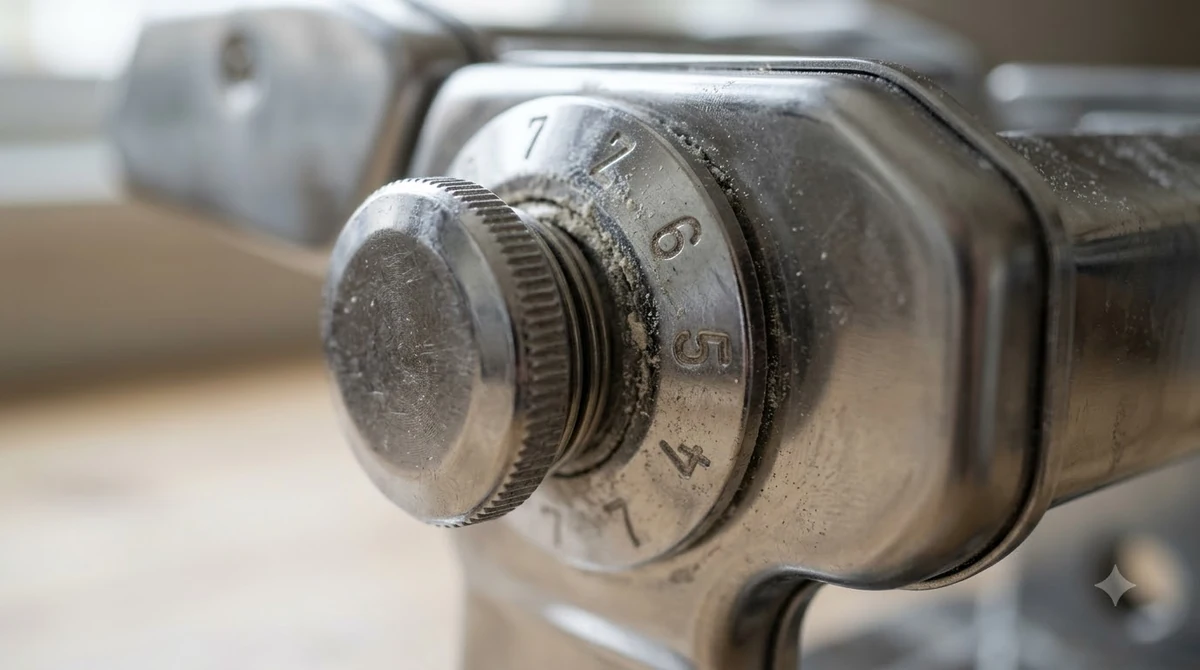
The overlap is only part of the picture. Marcato’s instruction booklet lists the Atlas 150 thickness settings from about 4.8 mm at setting 0 to about 0.5 mm at setting 9 (one review quotes 0.6 mm), on rollers about 150 mm wide. On that chart setting 4 is about 1.8 mm, setting 5 about 1.5 mm and setting 6 about 1.0 mm, which brackets the ramen range. One review describes the machine as better suited to Italian-style pasta than to Japanese noodles, so it can make the sheet but the cut and the dough style still matter. Our Marcato Atlas 150 manual guide explains the settings.
What to Look for in a Pasta Machine for Ramen Noodles
A pasta machine for ramen noodles suits the job when it covers the thickness you need, cuts the right width and holds up to repeated rolling. Three features decide most of the result, and they are easy to check on a product page before you buy.
- A thickness range that reaches about 1.15 mm to 1.8 mm, so the sheet can be rolled to the ramen gauge.
- A cutter that makes a strand close to the width you want, since some sets cut only wide ribbons.
- Enough roller width and a solid clamp, so the sheet stays flat while you crank it.
Attachments also matter. The Marcato Atlas 150 is sold with a changeable cutter, but most of its other attachments are sold separately, so the total cost can grow after the first purchase.
Why Kansui Matters for Ramen Dough
Kansui is the alkaline mixture added to noodle dough, and it is the main reason many ramen noodles turn yellow and feel springy. A pasta machine for ramen noodles only shapes the dough, so the alkaline character must come from the recipe, not from the roller.
Kansui is called jian shui in Chinese and kansui in Japanese. The common form is a water solution of sodium carbonate and potassium carbonate, according to Wikipedia’s kansui entry. At alkaline pH, flavones in flour turn yellow, and the noodles become more elastic and slippery than ordinary pasta.
A machine can roll a dough with or without kansui in the same way, so the difference shows up after cooking, in color, bite and slipperiness. Plan the recipe first, then choose the pasta machine for ramen noodles that shapes it.
Kansui is a concentrated alkaline ingredient, so treat it as a food ingredient. Follow the label and the recipe you use. The sources reviewed for this page did not give a safe ratio for home dough, so do not guess a quantity from a different product.
Manual Rollers Versus Electric Machines
Manual rollers cost less and give you direct control over thickness. Electric all-in-one makers cost more but shape dough with less effort. The best choice depends on how often you plan to make noodles and how much hands-on work you want.
If you make noodles only now and then, a manual roller is the practical start. If you cook fresh batches every week, the automation of an electric all-in-one maker may be worth the extra cost when you compare a pasta machine for ramen noodles with other options.
| Type | Reported price range | Strength | Limit |
|---|---|---|---|
| Manual roller with cutter | 15 to 70 USD | Fine control over thickness | Needs effort, poor with small shapes, noodles must be dried |
| Electric all-in-one maker | 75 to 300 USD | Automatic, hands-off process | Costs more, settings take time to learn, repairs can be costly |
These price ranges for a pasta machine for ramen noodles were reported without a date, so check current listings before you buy. Electric models also use electricity every time you run them, which matters if you make noodles often.
Cutter Widths and Thickness Settings
In a pasta machine for ramen noodles, cutter width sets the final noodle, while the roller setting controls the sheet before cutting. Compare both numbers, because a machine with a wide thickness range can still produce noodles that are too wide if its cutter is fixed.
| Machine | Thickness range | Cutter widths |
|---|---|---|
| Marcato Atlas 150 | About 0.5 mm to 4.8 mm (settings 9 to 0) | Changeable cutter; booklet lists 1 mm capellini, 1.5 mm tagliolini and 2 mm spaghetti cutters |
| Cucina Pro pasta machine | Not stated in the source | 8 mm (1/4 inch) or 3 mm (1/8 inch) |
| Minneer electric machine | 0.1 mm to 20 mm | 3 mm to 9 mm |
A 3 mm cutter makes a narrower strand than an 8 mm cutter, so it gives you more room to match a fine ramen-style noodle. If you only have a wide cutter, the strands will look like flat noodles, no matter how thin you roll the sheet.
How to Dry Fresh Ramen Noodles
Drying helps fresh ramen firm up and keep its curl. Fresh noodles can be cooked right away, but drying first gives them a better bite, according to The Japanese Way’s guide to noodles at home.
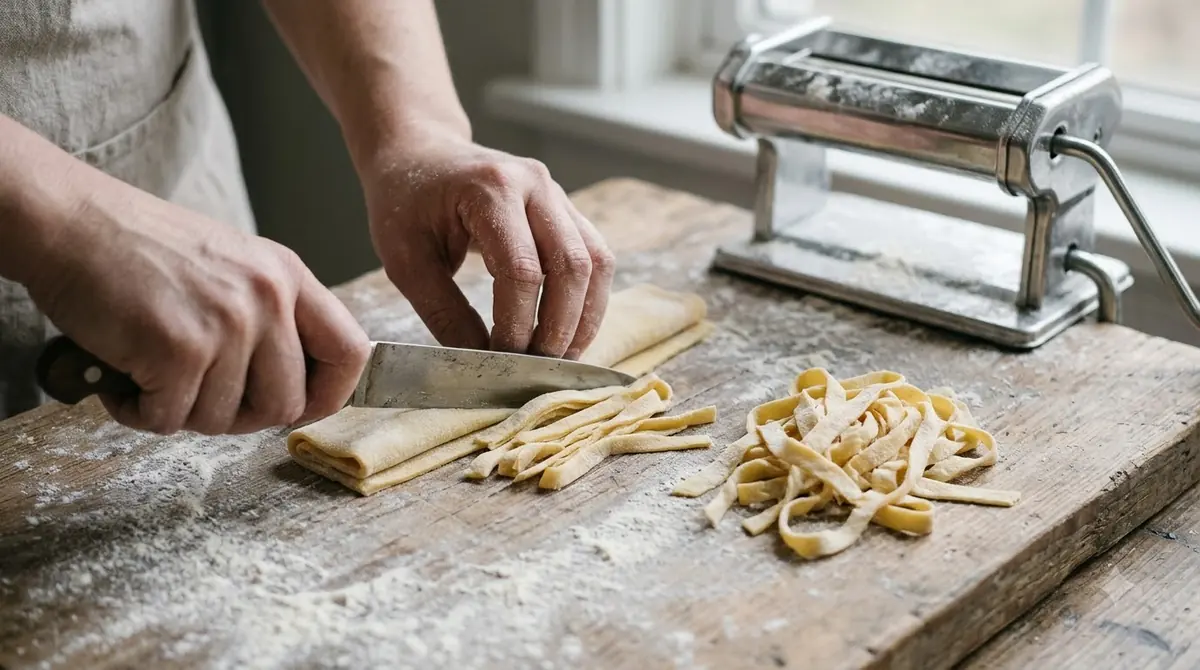
- Cut the strands and shape them into small nests.
- Leave the nests to dry overnight so they firm up and hold their curl.
- Cook them straight from the drying step, once they have firmed.
Plan the drying space before you start, because the nests need a dry spot overnight and should not touch each other while they dry. Drying is also the step most people skip when using a machine. Noodles from a manual pasta machine for ramen noodles need drying, so plan the time before you start rolling. If you want a ready-made stand, see our pasta drying rack setup guide.
Common Mistakes With Machine-Made Ramen
Most mistakes with a pasta machine for ramen noodles come from expecting one machine to do both pasta and ramen equally well. Avoid these common errors before you start.
- Buying a pasta machine for ramen noodles that only offers wide cutters, which gives flat noodles rather than ramen strands.
- Rolling the sheet too thick, so the noodles stay chewy and heavy.
- Skipping the drying step, which manual machines require for the noodles.
- Using a recipe without alkaline ingredients and expecting the color and bite of store-bought ramen.
Work in small batches so the dough does not sit out while you roll, and use the CucinaPro pasta maker instructions if that is the machine you own. Read the manual for your machine before you start, since cleaning and roller care differ between models.
Frequently Asked Questions
Can I make ramen with any pasta machine?
Not reliably. A pasta machine for ramen noodles needs a thickness range that reaches the ramen gauge of about 1.15 mm to 1.8 mm, plus a cutter that makes a fine strand. Check both numbers in the product details before you buy.
Do I need kansui to make ramen noodles?
Kansui gives ramen its alkaline color and springy texture. Without it, the noodles will taste and feel like ordinary pasta, even if the shape is right.
Is a manual or electric machine better for ramen?
A manual pasta machine for ramen noodles gives more control over thickness and costs less, while an electric machine is more automatic. Choose based on how often you cook and how much effort you want to spend on each batch.
How thin should machine-made ramen be?
Ramen-style noodles are reported at 1.15 mm to 1.8 mm, depending on region. With a pasta machine for ramen noodles, start at a thicker setting and step down one notch at a time until the sheet reaches the thickness you want.
Do fresh ramen noodles need to be dried?
Fresh ramen can be cooked immediately, but drying overnight in small nests helps them firm up and keep their curl. Drying also makes the noodles easier to store for a short time.
A pasta machine for ramen noodles is a good choice when you want to make both pasta and ramen, and you accept that the ramen will be close rather than exact. Compare other options in our best noodle maker machines and pasta machine for egg noodles guides. If you cook ramen most often, look for a pasta machine for ramen noodles with a thin cutter and a clear thickness range, and budget for the alkaline ingredients and drying space you will need.
 7 min readBy Use & ModelPasta Machine for Egg Noodles: What to Check Before You BuyUpdated Nov 8, 2026
 9 min readBy Use & ModelPasta Machine for Fresh Pasta: What to Check Before You BuyUpdated Nov 17, 2026
 8 min readBy Use & ModelPasta Machine for Rigatoni: 6 Simple Checks Before You BuyUpdated Nov 16, 2026
 8 min readBy Use & ModelPasta Machine for Ravioli: What to Look For Before You BuyUpdated Nov 10, 2026
 8 min readBy Use & ModelPizza Oven for Beginners: What to Check Before You BuyUpdated Nov 16, 2026
 8 min readBy Use & ModelPizza Oven for Indoor Use: What to Check Before You BuyUpdated Nov 16, 2026