
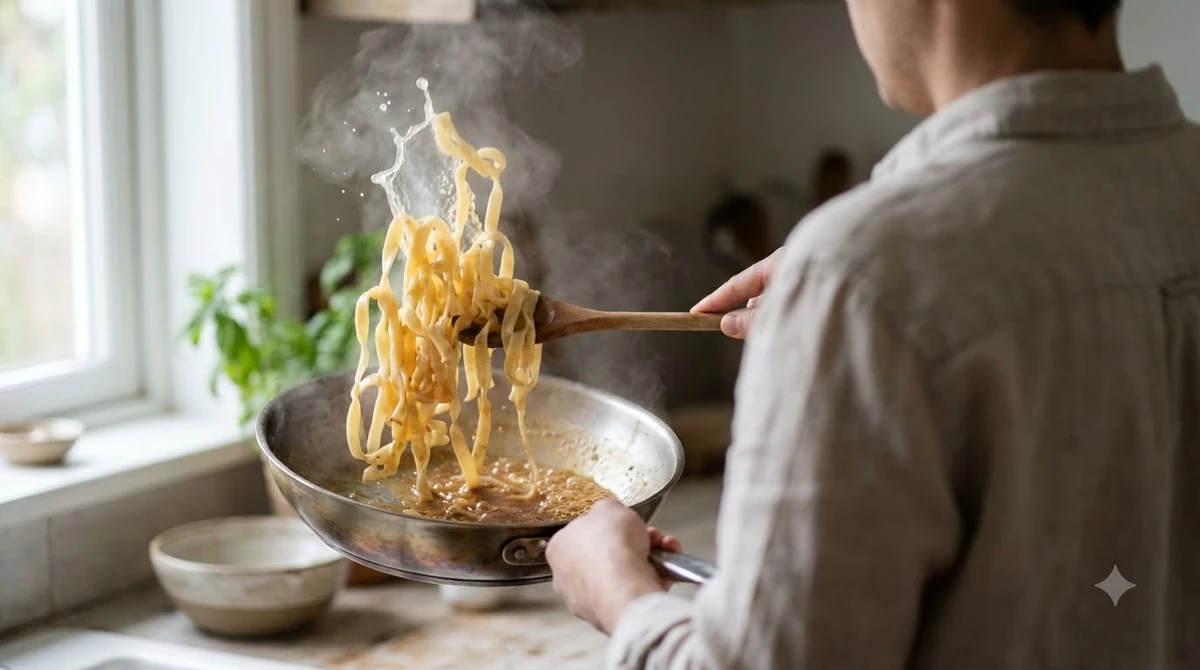

A pasta primavera recipe tosses short pasta with lightly cooked spring vegetables in a light lemon and pecorino sauce or a creamy butter and Parmesan sauce. The Love and Lemons version serves four and lists a total time of 30 minutes. The method adapts easily to the vegetables you have on hand.
The lemon version is lighter and quicker, while the cream version is richer and uses long strands of pasta. Choose the version that matches the sauce you want on the table.
Where Pasta Primavera Comes From
Pasta primavera is a dish from the 1970s that became famous at Le Cirque in New York, and its exact origin is still debated. The dish is defined by fresh vegetables tossed with pasta in a light sauce.
According to Wikipedia’s pasta primavera article, restaurateur Sirio Maccioni combined butter, cream, cheese, vegetables and pasta in 1975, after a visit to a summer home in Nova Scotia. He brought the idea back to New York City, where the dish first appeared at his restaurant as an unlisted special.
A 1977 New York Times article by Craig Claiborne and Pierre Franey included a recipe and helped make the dish widely known. Other cooks have also claimed to have created it, so the story is contested. The mix of vegetables, pasta and a light sauce is the constant across versions.
Ingredients for a Simple Pasta Primavera Recipe
A basic pasta primavera recipe for four uses 10 ounces of short pasta, a mix of spring vegetables, garlic, olive oil, grated pecorino and fresh lemon juice. The Love and Lemons version lists a prep time of 10 minutes and a cook time of 20 minutes.
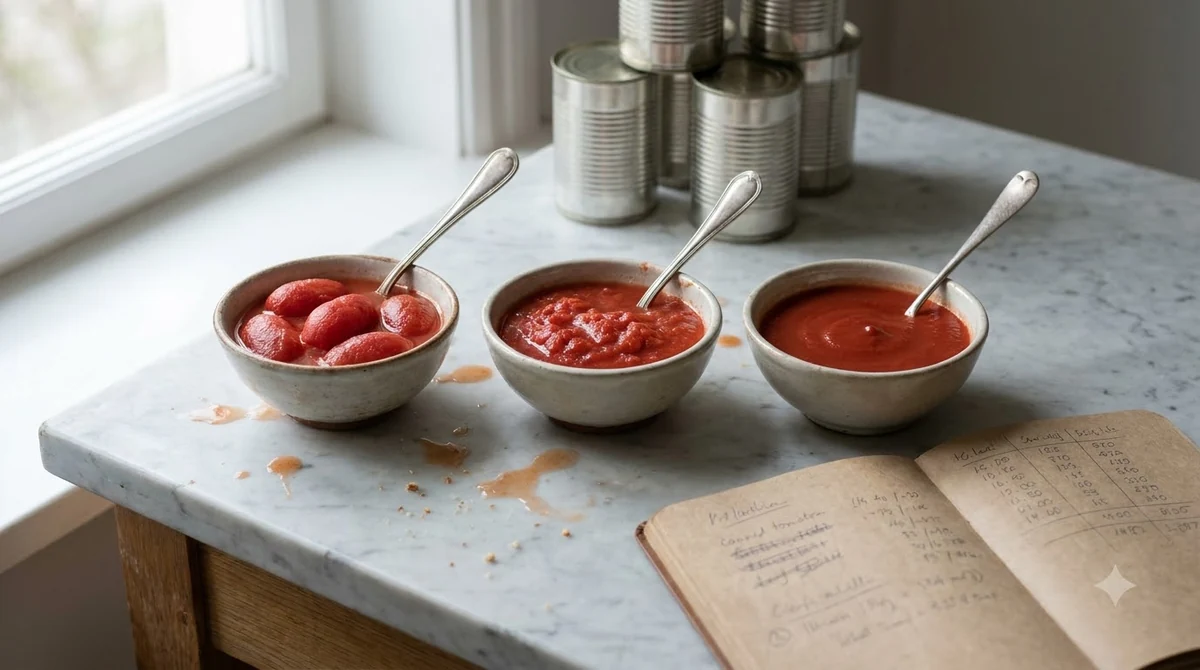
For the vegetables, use 1 yellow squash and 1 zucchini cut into thin half-moons, 1 bunch of asparagus cut into 1-inch pieces, 1 cup of cherry tomatoes halved, and 1 cup of thinly sliced red onion. Add 4 sliced garlic cloves, 1 teaspoon of sea salt and half a cup of thawed frozen peas.
For finishing, you will need 2 tablespoons of extra-virgin olive oil, three-quarters of a cup of grated pecorino cheese, 3 tablespoons of fresh lemon juice, and 1 cup of fresh basil leaves. Some cooks also add a pinch of red pepper flakes or a quarter cup of fresh tarragon.
Several swaps are built into the recipe. Blanched fresh shell peas can replace frozen peas, and using only zucchini or only yellow squash is acceptable if you cannot find both. Each swap keeps the same method, so the cooking order in the steps below still applies to your pasta primavera recipe at home.

Choosing the Pasta and Cheese
Short tube shapes such as penne hold chunks of vegetables well, and they suit the lemon version. Long strands such as linguine or fettuccine are the shapes the RecipeTin Eats cream version calls for.
Pecorino is the traditional cheese for the lemon version of a pasta primavera recipe. According to Wikipedia’s Pecorino Romano article, it is made only from sheep’s milk and is hard and salty. The Love and Lemons recipe lists Parmesan as a direct replacement, and our guide to Parmigiano Reggiano vs Parmesan explains what to look for on the label. For a simpler dish built around the same lemon flavor, see our lemon pasta recipe.
Pasta size matters for portions in any pasta primavera recipe. One commenter on the Love and Lemons page found that 10 ounces was too much for the vegetables and used about 5 ounces instead. That is a user report, so start with the full amount and adjust to your pot and your appetite.
Lemon Sauce Version: Step by Step
The lemon version of this pasta primavera recipe cooks the vegetables in olive oil over medium heat for 3 to 4 minutes, then tosses them with the pasta, peas, cheese and lemon juice. The Love and Lemons recipe lists about 30 minutes in total, including the water boil.
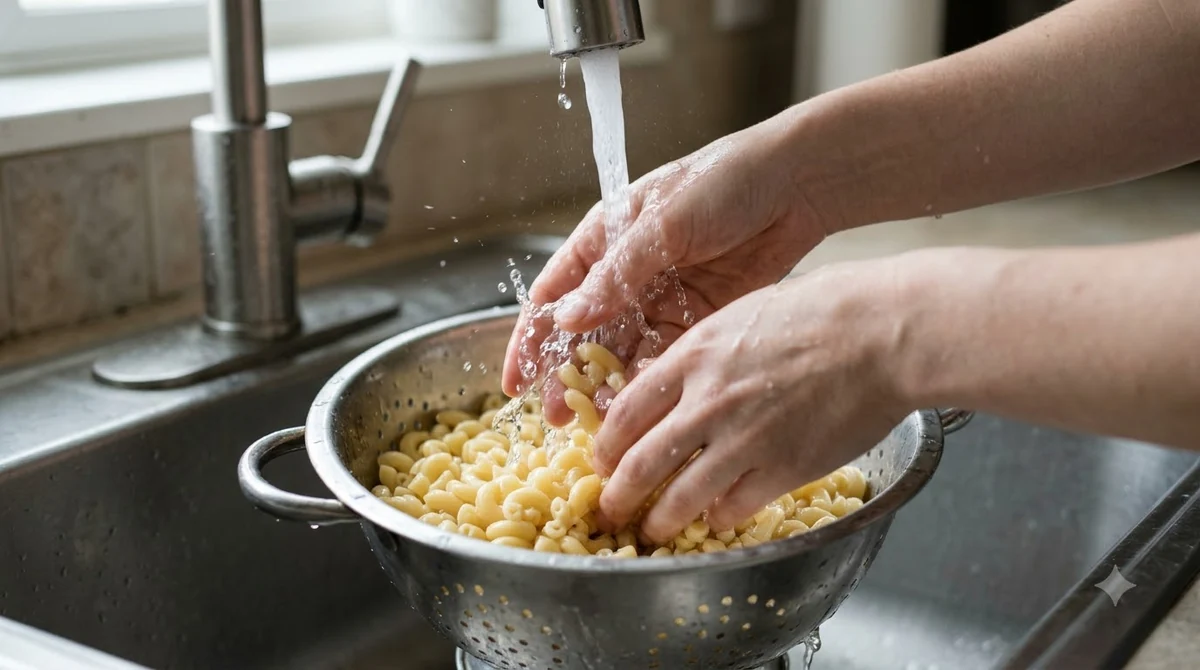
- Boil a large pot of salted water (a tall stockpot from our guide to the best pasta pots works well) and cook the penne according to the package directions until it is al dente. Drain it and toss it with a drizzle of olive oil.
- Heat 2 tablespoons of olive oil in a large, deep skillet over medium heat. Add the garlic, squash, zucchini, asparagus, tomatoes, onion, salt and a few grinds of black pepper. Sauté for 3 to 4 minutes until tender.
- Add the cooked pasta, peas, grated pecorino, lemon juice and a pinch of red pepper flakes. Toss until the cheese coats the noodles.
- Stir in the basil and tarragon if you are using it. Season to taste, garnish with extra basil and serve right away.
If the pasta looks dry after tossing, the Love and Lemons comments suggest a splash of pasta water instead of extra oil for a creamier finish. Keep the vegetables slightly firm in this pasta primavera recipe so they do not turn soft on the plate.
Cream Sauce Version and Vegetable Order
The cream version works best when the vegetables go into the pan in stages, so the firm ones stay bright and the soft ones do not turn watery. The RecipeTin Eats method uses about 300 grams of linguine or fettuccine and cooks it for the packet time minus 1 minute.
Start the mushrooms first, because they can stew and turn watery if they share the pan with other vegetables. Add the rest in the order below, and return the mushrooms before you remove the pan from the heat.
| Stage | Vegetables | Cook time |
|---|---|---|
| 1. First, in half the oil | White mushrooms, sliced | 4 minutes over high heat, then remove |
| 2. Firm vegetables | Broccolini, snow peas, asparagus | 2 minutes |
| 3. Soft vegetables | Zucchini, cherry tomatoes, green peas, garlic | 3 minutes |
The cream sauce in this version uses 5 tablespoons of butter, 1 cup of heavy cream and half a cup of grated Parmigiano Reggiano, a close cousin of our alfredo sauce recipe. Reserve one third of a cup of pasta water before you drain the pasta, because the recipe uses it to loosen the sauce. The vegetables should still have a slight bite because they finish cooking in the hot pasta.
Green peas join the soft vegetables, while broccolini, snow peas and asparagus share the firm stage. This staged method helps each vegetable keep its texture in a pasta primavera recipe that uses cream. Taste the sauce before serving and add more salt or pasta water if the dish feels heavy.
Common Mistakes to Avoid
Most problems with a pasta primavera recipe come from timing, portions or a thin sauce. The fixes are simple once you know what to watch for.
- Cooking all the vegetables together, which leaves the mushrooms watery and the asparagus undercooked.
- Draining the pasta and throwing away all the cooking water, which leaves the sauce thin.
- Using too much pasta for the amount of vegetables, which can crowd the dish and hide the produce.
Frequently Asked Questions
Can you add protein to a pasta primavera recipe?
Yes, you can add chicken or shrimp to a pasta primavera recipe, cooked separately and tossed in at the end. The sources used for this article do not give cooking times for these proteins, so check the package directions or a food safety guide for safe internal temperatures before you serve them. Protein also makes the dish a more filling main course for a pasta primavera recipe night at home.
Can you make pasta primavera ahead of time?
A pasta primavera recipe is best made just before serving, because the vegetables soften as they sit. One comment on the Love and Lemons page asked about freezing the dish, and the author did not answer, so there is no guidance on that here. For leftovers, Texas A&M’s leftover storage guidance says to refrigerate within 2 hours, eat within 3 to 4 days and reheat to 165°F.
What pasta shape is best for pasta primavera?
Penne is the shape the Love and Lemons pasta primavera recipe uses for the lemon version, and it holds small pieces of vegetables. Linguine and fettuccine are the shapes the RecipeTin Eats cream version uses. Check the package for the cooking time, because shapes vary.
Can you use Parmesan instead of pecorino?
Yes, the Love and Lemons recipe says Parmesan can replace pecorino. Pecorino is salty and made from sheep’s milk, so taste the sauce after tossing and adjust the lemon and salt to suit.
What can you use instead of tarragon?
The Love and Lemons author suggests extra basil, fresh mint, or about 1 teaspoon of fresh thyme leaves instead of tarragon. Tarragon is optional in the pasta primavera recipe, so you can skip it without changing the core method.
What if you only have one type of squash?
Use only zucchini or only yellow squash if you cannot find both. Cook it over medium heat for 3 to 4 minutes, along with the other vegetables, until tender.
Start with the lemon version when you want a lighter dinner, and choose the cream version when you want something richer. In both cases, keep the vegetables crisp-tender and finish your pasta primavera recipe with fresh basil for the best flavor.
 7 min readLearnOrtolana Pizza Recipe: A Vegetable Pizza Made at HomeUpdated Nov 11, 2026
 7 min readLearnPasta con le Sarde Recipe: Sicilian Sardine Pasta Made SimpleUpdated Nov 11, 2026
 8 min readLearnWalnut Sauce for Pasta Recipe: A Creamy Ligurian Sauce Made at HomeUpdated Nov 11, 2026
 8 min readLearnTajarin Pasta: What It Is, How It Is Made and How to Serve ItUpdated Nov 11, 2026
 8 min readLearnWhat to Serve with Lasagna: Salads, Bread and Vegetables That WorkUpdated Nov 12, 2026
 8 min readLearnWhat Is Parmigiano Reggiano and Where It Is MadeUpdated Nov 11, 2026