
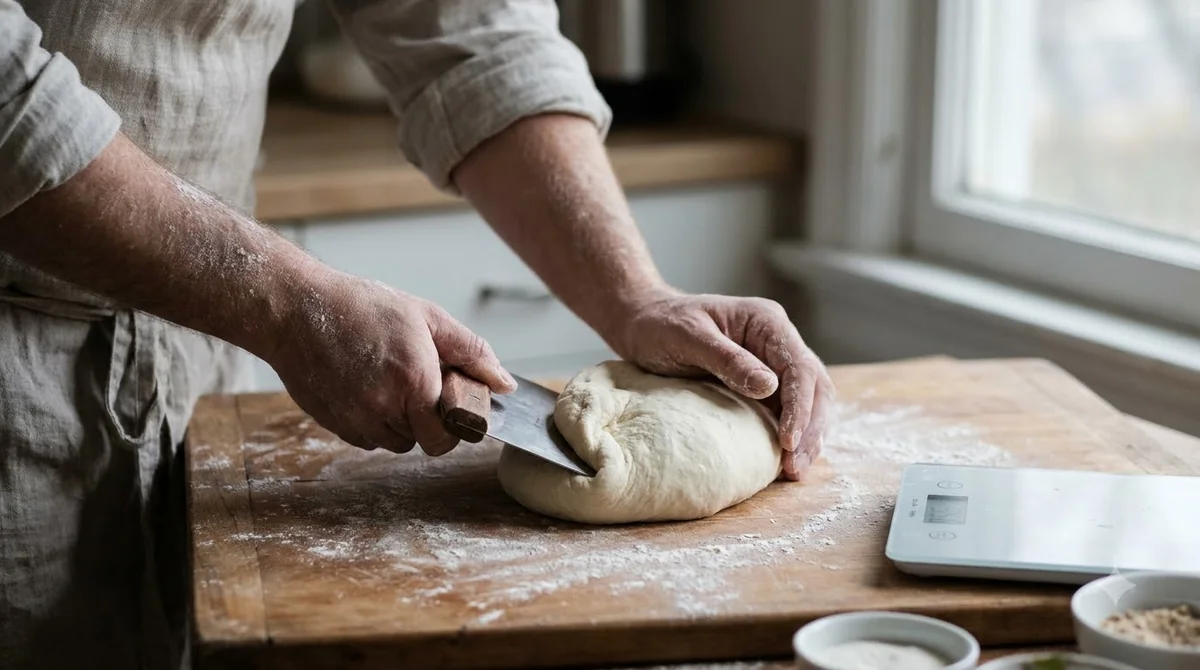

Pizza dough too dry usually means the flour has absorbed more than the water in the recipe can supply. The fix is almost always the same: add water a small amount at a time, knead it in fully, and let the dough rest before you judge the texture again. Adding more flour is the most common mistake, because it lowers hydration further and makes the dough denser.
Why Your Pizza Dough Is Too Dry
Pizza dough too dry is usually a ratio problem, not a recipe failure. The dough is too dry when its water is low for its flour weight, a ratio bakers call hydration. Wikipedia’s baker’s percentage article explains that flour is always set at 100 percent, and every other ingredient is its weight divided by the flour weight.
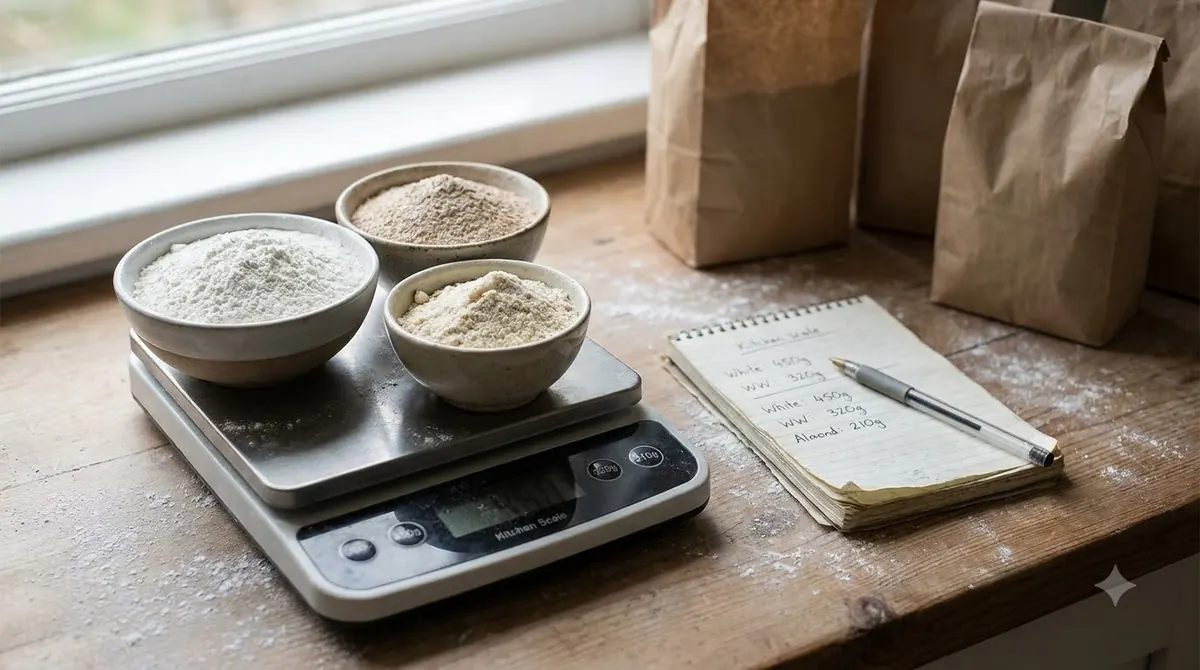
Most pizza styles sit between 60 and 70 percent hydration, according to The Pizza Craft’s troubleshooting guide. Breads and rolls usually fall around 58 to 65 percent, so a pizza dough at the low end of its range will feel firm before it is mixed properly. The same reference shows why a small change in water matters: when the flour weight stays the same, a few grams less water moves the dough toward the stiff end.
Several causes can leave pizza dough too dry, and most of them are about measuring or kneading rather than the recipe itself:
- Too much flour. Scooping flour by the cup adds more weight than the recipe expects. The Pizza Craft calls this the biggest single source of dry, dense home dough.
- Flour that absorbs more water. Whole-wheat and high-protein flours need more liquid than standard flour, and whole grain, bran and seeds soak up water too.
- Under-kneading. Dough that has not been kneaded long enough keeps dry pockets that never join the rest. Busby’s Bakery advises kneading for 5 to 10 minutes before you add any extra water.
- Climate. Baking Kneads says dry weather and high altitude call for a few extra drops of water, while humid or rainy weather needs less.
How to Tell If Pizza Dough Is Too Dry
A pizza dough too dry for shaping cracks at the edges, tears when you stretch it and leaves loose flour in the bowl. The target texture is soft and supple but not tacky, which is the description in The Pizza Craft’s troubleshooting guide for a finished dough.
| Symptom | Likely cause | First step |
|---|---|---|
| Cracks at the edges when you shape it | Too little water for the flour | Add water a teaspoon at a time |
| Dry crumbs that will not join | Under-kneading | Knead 5 to 10 minutes, then reassess |
| Stiff dough that tears when stretched | Flour still hydrating after mixing | Cover and rest 15 to 20 minutes |
| Skin forms on the dough during the rise | Air exposure while it rises | Mist the surface and cover it |
A pizza dough too dry at first often softens on its own. The Pizza Craft notes that flour keeps absorbing water after mixing, so a short rest can change the texture before you add anything. Judge the dough after the rest, not straight out of the bowl, so you add water only when it is clearly still short.
How to Fix Pizza Dough Too Dry
Fixing pizza dough too dry starts with water: add it a teaspoon at a time, knead each addition in fully, and rest the dough before you add more. Busby’s Bakery suggests adding about 1 to 2 percent of the original water weight per round, which works out to 5 to 10 g for a dough that started with 50 g of water.
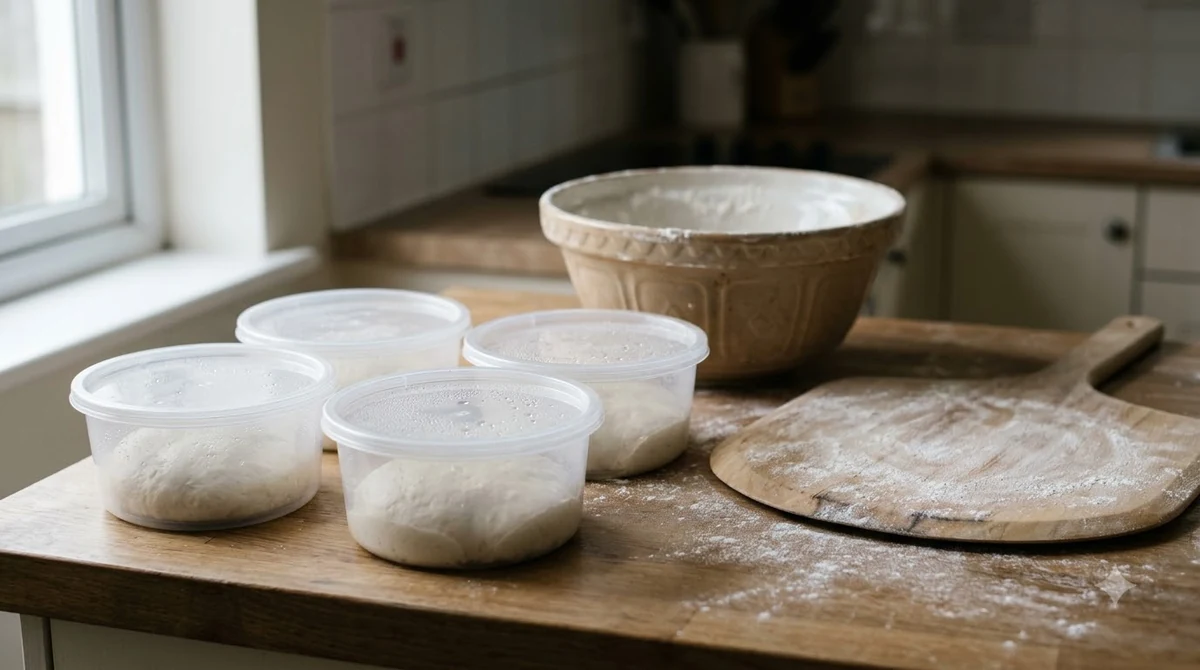
Use this sequence when the dough is firm, dry or crumbly:
- Rest first. Cover the dough and wait 15 to 20 minutes, since the flour may still be taking up water.
- Add water in small steps. Wet your hands or add a teaspoon of water, then knead it in completely before adding more.
- Work to a small percentage. If you weigh the water, add 1 to 2 percent of its original weight, knead for about one minute, and repeat until no dry flour remains.
- Check the feel. Stop when the dough is soft and supple but not tacky. Small additions also make it easier to stop before the dough turns sticky.
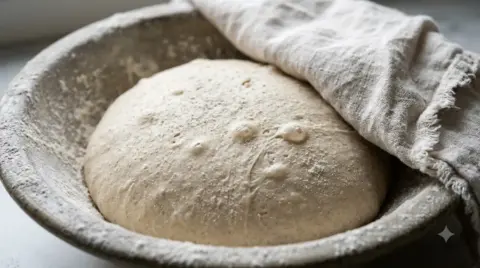
- Mist the surface if it dries while rising. Busby’s Bakery says to mist the dough and wait 5 to 10 minutes for absorption, or brush on a little water.
Change one thing at a time when pizza dough too dry is the problem, so you can see which adjustment worked. If you add water, do not also add flour in the same round, because that cancels the change you were trying to make. Our guide on how long to knead pizza dough helps with the kneading step, and pizza dough too sticky covers the opposite problem if you overshoot.

When Olive Oil Helps a Dry Dough
Olive oil can soften a dough that stays stiff after proper kneading, and Baking Kneads suggests about 2 tablespoons per 3 cups of flour as a last resort. Treat it as a second tool, not the first one, when pizza dough too dry still feels stiff after kneading, because oil adds softness but does not add hydration. See also pizza dough with olive oil for how oil changes the dough.
Baking Kneads recommends adding one teaspoon of oil, kneading it in, and then adding another teaspoon only if the dough still feels dry. The ratio it gives is a volume guide, so if you measure flour by weight, scale the oil to match the flour you actually used. Water should still come first when the dough is short on moisture, since oil does not change the water ratio that controls hydration.
Prevent Pizza Dough From Drying Out
Weighing the flour and adding extra flour only in small amounts prevent most cases of pizza dough too dry, according to the sources read for this guide.
- Weigh the flour. Measuring by cup is the usual cause of extra flour, so a kitchen scale keeps the hydration consistent from batch to batch (see how to use a digital kitchen scale).
- Start with less flour. Baking Kneads suggests starting with less flour than the recipe calls for, then adding flour during kneading only until the dough stops sticking.
- Adjust for weather and altitude. Dry air and high altitude call for a few extra drops of water, and humid weather calls for less.
- Account for the flour. Whole-wheat and high-protein flours need more water, and whole grains soak up liquid, so Busby’s Bakery guide to dry dough suggests making a soaker or autolyse for those flours.
- Cover while it rests. Busby’s Bakery advises covering the dough and keeping it away from draughts, which can dry the surface.
Sugar and salt also absorb water and slow the yeast, so a dough with a lot of either may feel drier than the flour alone would suggest. Busby’s Bakery mentions this, but it gives no quantities, so check your own recipe before changing those amounts.
Adjusting the Recipe If Your Dough Stays Dry
If pizza dough too dry showed up from the start, the recipe probably needs more water, and The Pizza Craft suggests raising hydration by a few points in the next batch. Busby’s Bakery gives Neapolitan dough at about 63 percent as a reference point for a soft, workable dough.
Baker’s percentage makes it easy to track a pizza dough too dry problem across batches. Write the water as a percentage of the flour weight, then change only that number between batches. Our pizza dough flour to water ratio guide lists typical water levels by style. Keep the same flour, salt, yeast and kneading time, so the result tells you whether the new hydration worked. The pizza dough hydration chart helps you pick the next number when your pizza dough too dry problem repeats.
Frequently Asked Questions
Can I save pizza dough too dry after it has risen?
Busby’s Bakery describes a fix for dough that dries out while it rises: misting the dough and waiting 5 to 10 minutes for the surface to absorb the water, or brushing on a little water. Knead it briefly afterward so the moisture spreads through the dough, then check the texture before shaping.
How much water should I add to pizza dough too dry?
Busby’s Bakery suggests 1 to 2 percent of the original water weight, which is 5 to 10 g for a dough that started with 50 g of water. The Pizza Craft uses a teaspoon at a time instead. Either way, knead each addition in and check the texture before you add more.
Is olive oil a good substitute for water in pizza dough?
No, not as the first fix. Baking Kneads treats olive oil as a last resort after kneading, and it adds softness rather than hydration. Add water first, then use oil only if the dough is still stiff.
Why is my pizza dough too dry even after I weighed the flour?
Flour type and kneading are the usual reasons. Whole-wheat and high-protein flours absorb more water, and under-kneading leaves dry pockets. Knead for 5 to 10 minutes before adding extra water, then rest the dough for 15 to 20 minutes before deciding it needs more.
What hydration should pizza dough be?
The Pizza Craft says most pizza styles fall between 60 and 70 percent hydration, and Busby’s Bakery gives Neapolitan dough at about 63 percent. Pick the number that matches your style, then keep it steady while you learn how your flour behaves.
If pizza dough too dry keeps coming back, raise the hydration by a few points and keep everything else the same. Weigh your flour, add water in small steps, and let the dough rest before you decide it needs more. That routine gives you a clear way to test each change.
 9 min readLearnPizza Dough Too Sticky? Causes and Fixes That WorkUpdated Nov 10, 2026
 8 min readLearnUnderproofed Pizza Dough: Signs, Causes and How to Fix ItUpdated Nov 10, 2026
 7 min readLearnPizza Dough Shrinking Back? Why It Happens and How to Fix ItUpdated Nov 10, 2026
 6 min readLearnPizza Crust Too Chewy? Causes and Easy FixesUpdated Nov 13, 2026
 9 min readLearnInstant Yeast vs Active Dry Yeast for Pizza: Which to UseUpdated Nov 10, 2026
 9 min readLearnSpinach and Ricotta Pizza Recipe: How to Build a Creamy, Dry-Bottomed PieUpdated Nov 10, 2026