
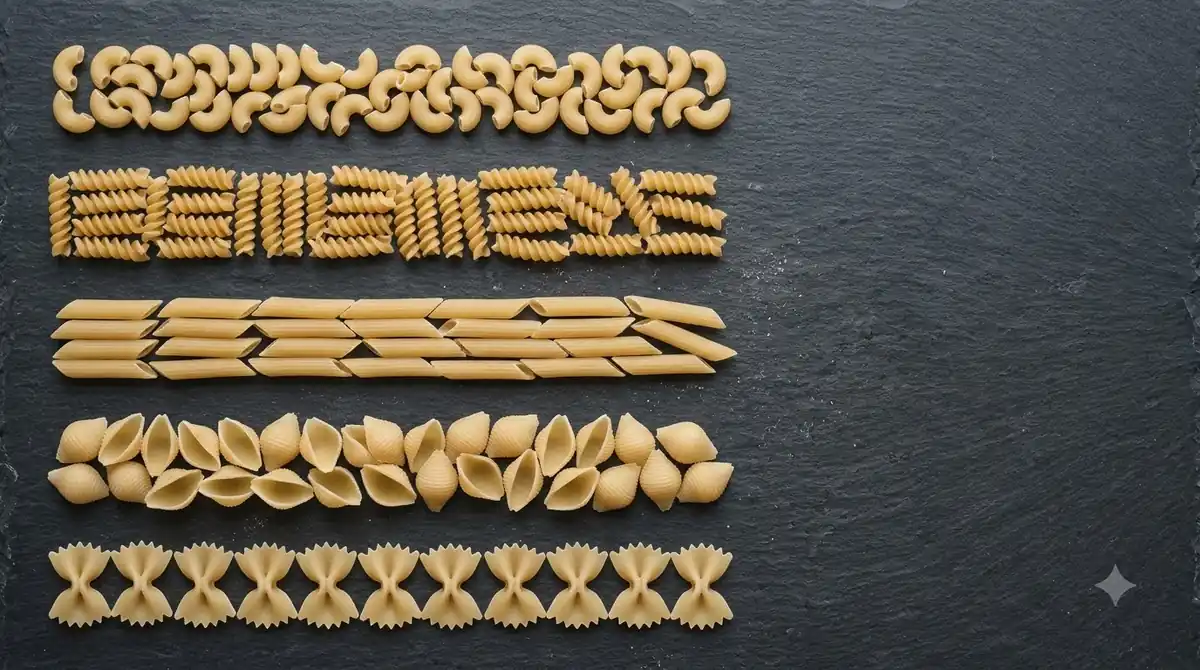

Ricciolini pasta is a short, curled pasta whose name means “little curls” in Italian. Each piece is a narrow strip twisted into a corkscrew, which helps it catch light sauces. Cooks usually serve it in broth, and the shape is easy to confuse with other curled pastas.
Names overlap across Italian pasta, so the word riccioli on a label can point to a different shape. Check the package description before you buy.
What Is Ricciolini Pasta?
Ricciolini pasta is a short, wide pasta with a 90-degree twist, according to the pasta shape entry in Wikipedia’s list of pasta. The same entry translates the name as little curls.
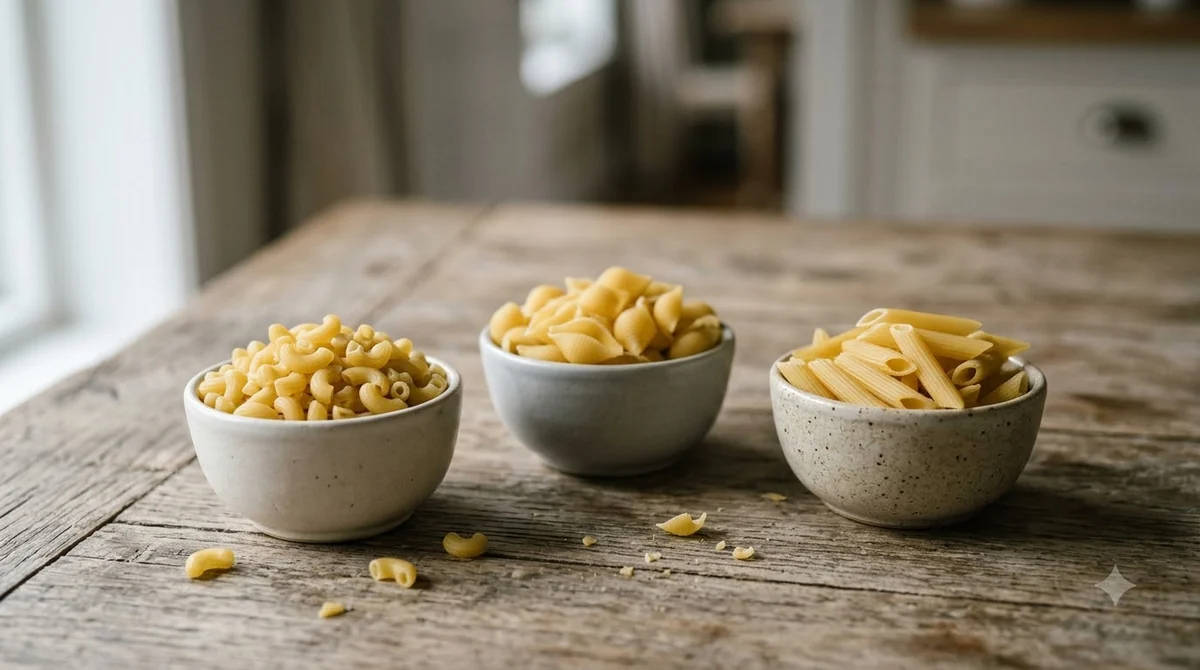
The twist is the main identifier. The spiral is visible on the surface of each piece, so a bowl of ricciolini pasta looks like a scatter of small corkscrews rather than long strands of spaghetti or linguine.
Because the shape is small and twisted, it suits dishes where the pasta is a part of the bowl, not the whole plate. Soups, broths and light sauces with small pieces of vegetable work better with it than long, smooth noodles.
Shape and Name
Ricciolini pasta translates as little curls, and the root word riccioli means curls, according to The Pasta Project’s gigli guide. The name points to the spiral on each piece, which is the feature to look for on the package.
The name overlaps with other shapes. Recipetips’ glossary describes riccioli as a fresh egg pasta often associated with pasta makers in Piedmont, with closely spaced ridges that spiral upward. That is a different product from the short, twisted ricciolini described in encyclopedias.
If the label gives only a name, read the shape note and the ingredient list. A dried short twist and a fresh ridged egg pasta can share a name root but will cook and taste differently.
How Ricciolini Pasta Is Made
Traditional ricciolini pasta is made from durum or type 00 wheat flour with salt and a few eggs, then shaped by hand into curled strips. The Encyclopedia of Pasta describes the method step by step.
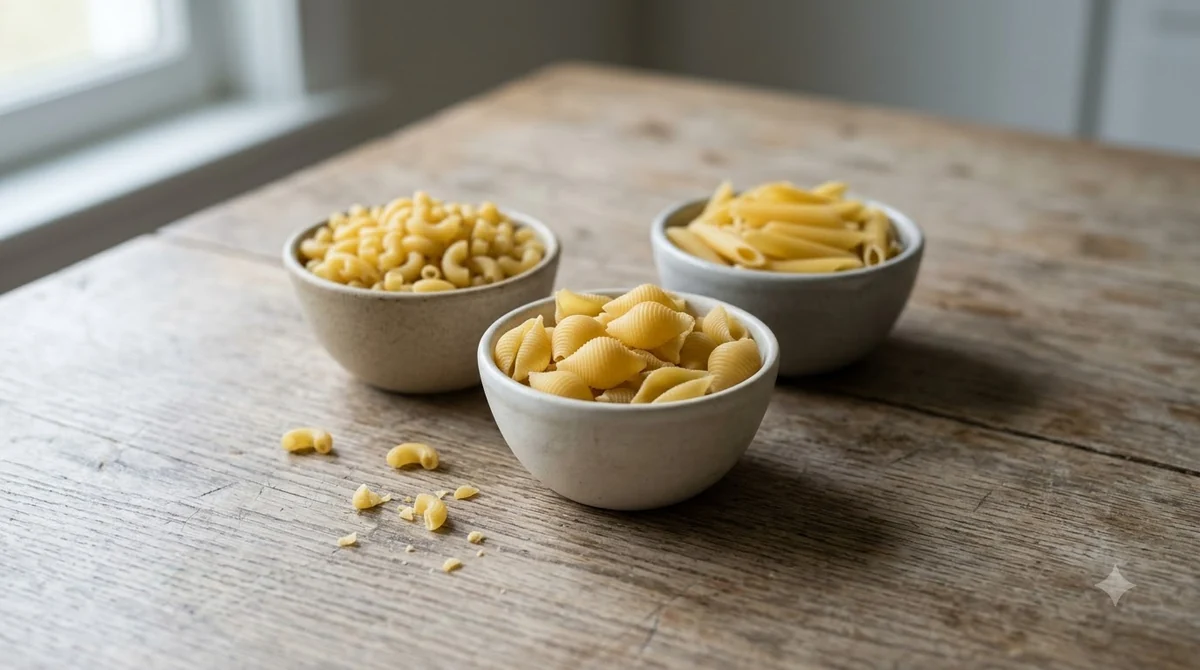
The entry says the dough is kneaded firmly with only a few eggs, so it stays fairly stiff. That firm dough is the base the entry describes for the shape.
- Sift the flour with a pinch of salt onto a wooden board.
- Knead the dough thoroughly, then let it rest before shaping.
- Pinch off small pieces of dough.
- Roll each piece into a thin strip with oiled hands. The entry gives a length of 1¼ to 1½ inches (3 to 4 cm).
- Curl each strip into a spiral, like a corkscrew.
A home cook can follow the same steps with a small batch. The entry does not give a yield, so start with a modest amount of dough, count the curls you make, and scale up only after you are happy with the shape.
How to Cook and Serve Ricciolini
Ricciolini pasta is traditionally cooked and served in broth. Recipetips gives 8 to 11 minutes for ricciolini on its shaped pasta page and 6 to 9 minutes on its pasta products page, so its own two pages disagree. It also says that thickness, cooking method and brand can all change the time. Treat these ranges as a starting point, then let the package and a taste test decide.
Recipetips describes the goal as al dente, meaning tender but still with a slightly firm bite. Cook the pasta in plenty of salted water and start tasting a piece before the end of the range. Overcooked pasta loses that bite, so an early check helps.
- Start from the package time, or from the 6 to 11 minute spread across Recipetips’ two estimates if the package gives none, and taste early.
- Taste a piece before the end of that range.
- Add the drained pasta to hot broth just before serving, since the Encyclopedia of Pasta says ricciolini is traditionally served in broth.
- Store leftover broth and pasta separately if you plan to keep them.
Ricciolini Compared With Similar Curled Shapes
Ricciolini, riccioli and gigli are all curled or spiral shapes, but the sources describe their dough and origin differently. The table sets out what each source says.
| Shape | Shape as described | Dough or origin in sources |
|---|---|---|
| Ricciolini pasta | Short, wide pasta with a 90-degree twist | Durum or type 00 flour, few eggs; origin not stated |
| Riccioli | Ridges spiral upward in closely spaced layers | Fresh egg pasta often linked with Piedmont |
| Gigli (campanelle) | Cone with ruffled edges | Said to come from Tuscany, though this is disputed |
Gigli is the name used in Italy, and campanelle is the common name abroad, according to The Pasta Project. The same guide explains that gigli means lilies, which is a different word from the curl meaning of riccioli, so the name alone does not settle which shape you have.
Recipetips’ shaped pasta page lists ricciolini at 8 to 11 minutes, close to gemelli at 8 to 10 minutes and a little below rotini at 10 to 13 minutes. It also describes ricciolini as a wide pasta about 2 inches long with a slight twist, which is longer than the 3 to 4 cm strips in the Encyclopedia of Pasta, another sign that sources describe the shape differently.
Sauces and Ways to Serve Small Curls
The sources checked name broth for ricciolini but none names a specific sauce, so the pairings below rely on the shape’s size and twist rather than a recipe.
The twist gives loose sauces and small pieces places to sit, while a thick, smooth sauce tends to slide off a short shape. Recipetips says smaller shapes work with simple sauces and sturdier shapes suit chunkier ones, so match the sauce to the size and texture of the pasta you bought.
- Light sauces that cling to the twist
- Brothy soups with small vegetables or beans
- Olive oil with herbs and grated cheese
- Chunky sauces with small pieces of meat or vegetables
- Thick, smooth sauces, which slide off a short twist
Common Mistakes When Buying and Cooking It
The most common mistake is buying by name alone, because riccioli and ricciolini are close names with different descriptions. Read the shape note on the package before you assume a product matches a recipe.
Ignoring the package time is the second mistake. Recipetips’ estimates (8 to 11 minutes on one page, 6 to 9 on another) are only estimates, so the package and a taste test are the reliable guide for when to drain, not a fixed timer.
A third mistake is pairing the shape with the wrong sauce. Recipetips says smaller shapes work with simple sauces, while sturdier shapes suit chunkier ones, so a delicate shape under a heavy ragù tends to get lost.
Frequently Asked Questions
What does ricciolini pasta mean?
Ricciolini pasta means little curls in Italian, according to Wikipedia’s list of pasta. The name points to the small spiral on each piece, which is the feature to check on the package.
Is ricciolini pasta the same as riccioli?
Not necessarily. Recipetips describes riccioli as a fresh egg pasta often linked with Piedmont, while ricciolini is a short, twisted shape made from durum or type 00 flour with a few eggs. Check the package for the exact shape and dough.
How long should ricciolini pasta cook?
Recipetips gives 8 to 11 minutes on one page and 6 to 9 minutes on another, and notes that thickness, cooking method and brand can all change it. Follow the package time and taste a piece early.
Can you make ricciolini pasta at home?
Yes. The traditional method rolls small strips of firm dough and curls each one into a spiral. Use durum or type 00 flour, salt and a few eggs, and let the dough rest before you shape it.
What can you use instead of ricciolini pasta?
Recipetips describes riccioli as very similar in shape to fusilloni, rotini and rotelle, so rotini or rotelle can stand in for a curled shape. Choose a short shape of similar size and cook it to its own package time.
Read the label before you buy ricciolini pasta, since riccioli and similar names overlap. Start with the package time, taste early, and choose a sauce that clings to the twist. Once you know the twist, the shape is easy to spot in a shop, so a quick look at the package photo is often enough. For more shapes, see our Learn guides.
 7 min readLearnJumbo Shells Pasta: What They Are and How to Cook ThemUpdated Nov 10, 2026
 8 min readLearnShells Pasta: What They Are and How to Cook ThemUpdated Nov 7, 2026
 6 min readLearnHow to Make Cappelletti: Folding Little Hats at HomeUpdated Nov 13, 2026
 8 min readLearnWhat Is Pepperoni and Why It Curls on PizzaUpdated Nov 11, 2026
 6 min readLearnBest Sauce for Casarecce: Thick Sauces That Fill the CurlsUpdated Nov 13, 2026
 9 min readLearnTortelli Pasta: Shapes, Fillings and How to Serve ThemUpdated Nov 10, 2026