
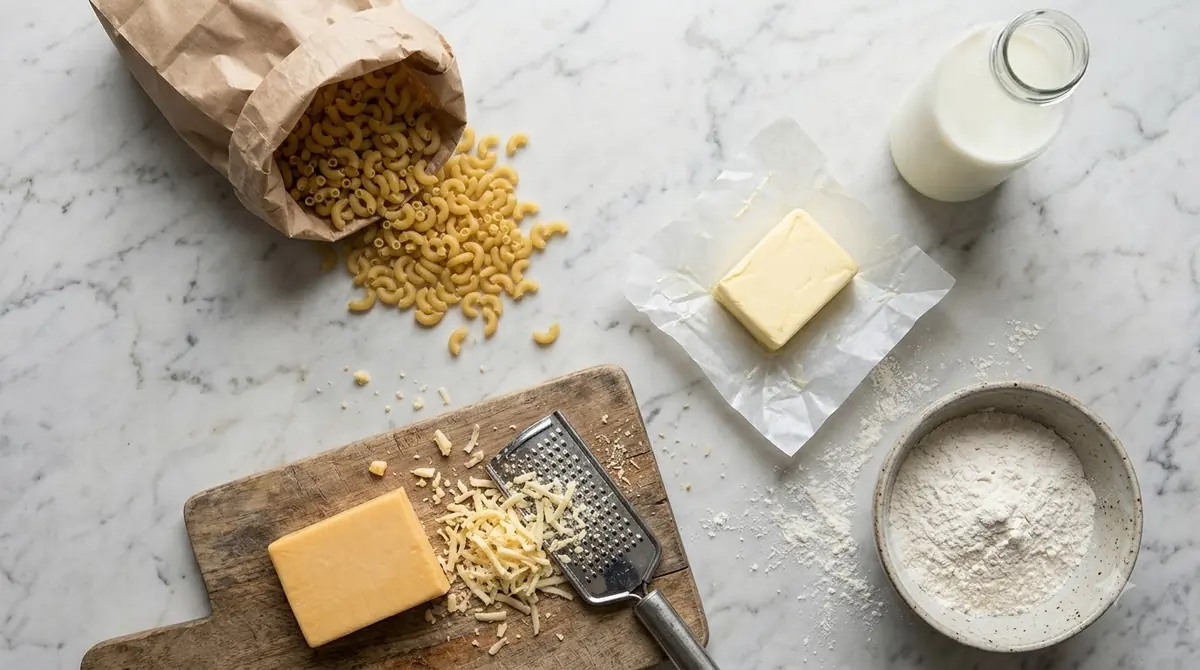

What is ciliegine mozzarella? It is a small ball of fresh mozzarella about the size of a cherry, and the name comes from the Italian word for cherries. They are made by the same stretched-curd method as larger fresh mozzarella, so they have a soft, springy texture and a mild, milky taste. They are usually sold packed in brine, water or whey, and they suit salads, pizza and quick snacks.
What is ciliegine mozzarella and how is it made?
Ciliegine are cherry-sized balls of fresh mozzarella, and they are the smallest common shape in the fresh mozzarella family. Their production follows the same stretched-curd method called pasta filata. After the curd is cut, heated to separate it from the whey, drained and formed into a mass, it is stretched and kneaded once the pH reaches about 5.2 to 5.5, until the paste becomes smooth and shiny.
Mozzarella is a long-standing cheese of southern Italy, although its exact origin is uncertain, as Wikipedia’s mozzarella article explains. Traditional mozzarella is made from the milk of Italian water buffalo (read more in what is mozzarella di bufala), and the protected version called mozzarella di bufala campana comes from designated areas of Campania, Lazio, Apulia and Molise. Mozzarella made from cow’s milk is called fior di latte, and that is the type most often found in US stores. Ciliegine can be made from either milk, so the label is the only reliable guide to which one you are buying.
The size is the defining feature. The Wisconsin Cheese guide to fresh mozzarella ciliegine describes them as “cherry-sized balls of fresh mozzarella,” and it is the name used on the producer pages reviewed for this article. The flavor is mild and fresh, with a delicate milky note, and the texture is soft and springy rather than firm. Fresh mozzarella is traditionally eaten the day it is made, so the cherry-sized balls are best eaten while the texture is still soft.
What is ciliegine mozzarella compared with bocconcini and perline?
Ciliegine sit near the small end of the fresh mozzarella size range. Wisconsin Cheese says a standard ball is about the size of a small orange, bocconcini are the size of golf balls, ovoline are egg-sized, and perline are the size of pearls. Wikipedia adds that ovolini are about the size of a hen’s egg, perline are the smallest commercially produced balls, and bocconcini are approximately bite-sized, so the exact size you get can vary by producer.
| Shape | Typical size | Note |
|---|---|---|
| Ovolini | About the size of a hen’s egg | Egg-sized; may be served whole in a composed salad |
| Bocconcini | Roughly bite-sized (Wikipedia) or golf-ball sized (Wisconsin Cheese) | Weight differs by brand |
| Ciliegine | Cherry-sized, smaller than the golf-ball size given for bocconcini | Used in caprese, pizza and salads |
| Perline | Pearl-sized; the smallest commercially produced balls | Often added to salads, soups and pasta dishes just before serving |
Ciliegine and bocconcini are close relatives, and many shoppers treat them as interchangeable. When a recipe asks for bocconcini, a cherry-sized ciliegine mozzarella is usually a reasonable substitute, as long as you adjust the count to match the weight. Wisconsin Cheese describes bocconcini as golf-ball sized and ciliegine as cherry-sized, but bocconcini weights vary from brand to brand. If a recipe depends on a specific count per serving, compare the net weight on the package with the number of balls rather than relying on the name.
Both are fresh mozzarella, so the main difference is size and shape rather than a different cheese. The choice often comes down to how many bites you want per serving and how the balls will look on the plate.
How to store ciliegine mozzarella after you buy it
Keep ciliegine in their liquid until you are ready to use them, and refrigerate them right away. Wisconsin Cheese says fresh mozzarella is stored in brine, water or whey to keep it fresh until it is eaten, and it advises an airtight container in the refrigerator with the cheese immersed in water.
- Leave the cheese in its original brine or water until use, and keep the container sealed in the coldest part of the fridge.
- If you open a vacuum-sealed pack and use only part of it, put the rest back in fresh liquid in an airtight container.
- Plan to eat them within a few days of purchase. The Wisconsin Cheese FAQ gives this guidance for fresh mozzarella in general, and our guide on how to store fresh mozzarella goes deeper.
- Watch for sourness and softening. Wikipedia notes that fresh mozzarella sours and softens over time, and the traditional advice is to eat it on the day it is made.
Shelf life depends on the packaging. Wikipedia notes that fresh mozzarella can be kept in brine for up to a week or longer when it is sold in vacuum-sealed packages. Low-moisture shredded mozzarella is a different product, and Wikipedia says it can be kept refrigerated for up to a month, so do not apply the same timing to both. Check the date on your pack and follow the producer’s instructions, because those are the only figures that apply to your specific product.
How to use ciliegine mozzarella in cooking
Ciliegine work best when they are added near the end of cooking or served cold, because their soft texture holds up poorly to long heat. Wisconsin Cheese lists pizza, salads, flatbreads, caprese and snacking as typical uses.
- Caprese salad: Mix with sliced tomatoes, olive oil, fresh basil, salt and black pepper.
- Pizza: Tear the balls and scatter them over the pie (start from a basic cheese pizza recipe if you like) in the last minutes of baking, or add them after the bake. Pat the cheese dry first so the crust stays crisp.
- Pasta: Toss warm pasta with a little sauce and the cheese just before serving, so the cheese softens but does not melt into a sauce.
- Snacks and appetizers: Serve on toothpicks with cherry tomatoes and olives, or eat them plain with bread.
Because the texture is delicate, avoid cooking them until they turn stringy. Keep in mind that fresh balls and low-moisture shredded mozzarella are different products (see low-moisture vs fresh mozzarella for pizza), and the packaging and storage rules differ between them.
What is ciliegine mozzarella made from? Check the label
Ciliegine can be made from cow’s milk or buffalo milk, and the label is the best place to find out which. Wikipedia notes that the protected buffalo version comes from designated areas of Campania, Lazio, Apulia and Molise.
Check the net weight and the sell-by date too. Those two numbers tell you more about the pack in front of you than the name on the front, and they are the first things to compare when two brands sell similar-looking balls.
The milk type and rennet are the two label details that matter most for flavor and diet. Pair them with the shelf life guidance above, and you will know what to expect when you open the pack.
Vegetarian status depends on the rennet used to set the curd. Wisconsin Cheese notes that rennet is added to separate the curd from the whey, and producers can source it differently, so check the ingredient list if that matters to you.
Frequently Asked Questions
Are ciliegine mozzarella vegetarian?
It depends on the rennet. Wisconsin Cheese notes that rennet is added to separate the curd from the whey, and producers can use different kinds, so read the ingredient list on the package or ask the producer.
Is ciliegine the same as fior di latte?
Not necessarily. Fior di latte is the name for mozzarella made from cow’s milk, and ciliegine describes the cherry-sized shape. A small ciliegine can be made from either milk, so check the label for the milk type.
What is the difference between ciliegine and perline?
Wikipedia lists perline as the smallest commercially produced size, while ciliegine are cherry-sized and a step larger. Check the package if the size on the label matters for your recipe.
Do ciliegine need to be cooked?
No. The typical uses in the Wisconsin Cheese description are fresh ones, such as caprese salad, snacks and flatbreads, where the cheese is served cold or added at the end. Heating changes the soft texture, so add them late if you are putting them on a hot dish.
How long do ciliegine last?
Wisconsin Cheese advises eating fresh mozzarella within a few days of purchase, and Wikipedia notes that vacuum-sealed brine packs can keep for up to a week or longer. Follow the date and storage instructions on your package.
Can you freeze ciliegine mozzarella?
The sources reviewed for this article do not give freezing guidance for ciliegine. Our guide on how to freeze fresh mozzarella covers the general case. Freezing changes the texture of fresh mozzarella, so check the producer’s instructions before you try it.
So, what is ciliegine mozzarella in practice? A simple way to add fresh, mild cheese to salads, pizza and snacks. Choose the milk type and rennet that suit your diet, check the net weight if you need a precise count, and eat them within a few days of opening for the best texture.
 7 min readLearnWhat Is Bottarga? 5 Simple Facts About Taste and UseUpdated Nov 11, 2026
 7 min readLearnFarfalloni Pasta: 5 Simple Facts and the Best SaucesUpdated Nov 11, 2026
 8 min readLearnWhat Is Mortadella? Simple Facts and 5 Ways to Serve ItUpdated Nov 11, 2026
 7 min readLearnTagliatelle Pasta: Easy Recipe, Sauces and Facts for 2026Updated Nov 6, 2026
 8 min readLearnAgnolotti vs Ravioli: 5 Easy Differences ExplainedUpdated Nov 10, 2026
 6 min readLearnIs Pasta Healthy? Nutrition Facts and 4 Smart ChoicesUpdated Nov 13, 2026