
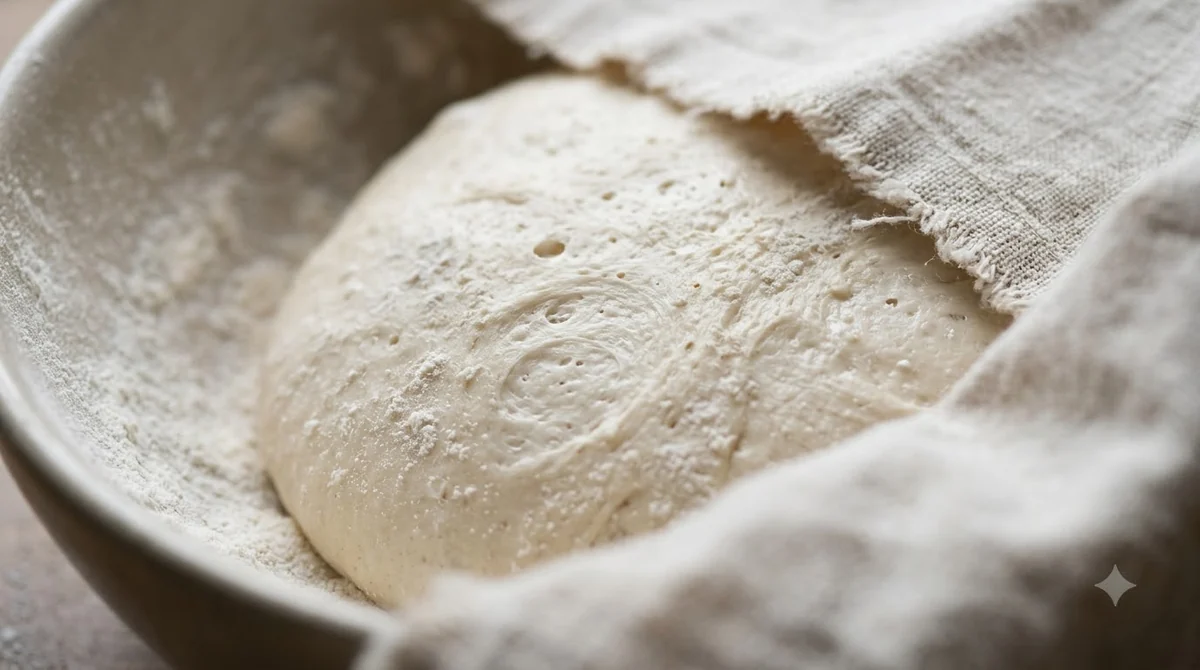

A pizza dough proofing box is a covered, food-safe container that holds shaped dough balls while they rise. It keeps the balls separated and protects their surface from drying out. Home cooks use it most for slow cold fermentation in the refrigerator, where dough rests for one to three days.
What a Pizza Dough Proofing Box Does
A pizza dough proofing box keeps each dough ball covered and spaced apart, so the surface stays soft instead of forming a crust.
The main job of the box is to protect the surface. Cambro, a foodservice container maker, says that a well-made box “prevents crusting on top and encourages complete and consistent proofing.” The same article advises covering the dough with a lid that has an airtight seal. A loose cover or an open tray leaves the surface exposed for longer, which matters more when the dough rests for a day or more.
The box also keeps the balls apart. Shaped dough keeps growing during proofing, so each ball needs its own space. Cambro notes that stackable boxes nest together to keep contaminants out while keeping dough fresh and crust-free. Stacking is useful when several batches share one refrigerator shelf.
A pizza dough proofing box is a storage container used before baking, not a piece of oven equipment. The rest of the pizza process stays the same: shape the dough, add toppings, and bake on a hot surface. The pizza dough proofing box only changes how the dough rests before that step.
How Long to Proof Dough in the Box
Dough in a pizza dough proofing box usually proofs for one to 24 hours at room temperature, or for 24 to 72 hours in the refrigerator.
A pizza dough proofing box does not change these times, only the environment around the dough. Gozney, a pizza oven maker, publishes timing for each method in its Academy guide on proofing pizza dough. For room temperature, it says the final proof can take “from 1 to 24-hours or even more,” and a quick proof on the worktop takes 1 to 2 hours. It gives an optimum temperature range of 20°C to 38°C for quick proofing.
| Method | Where and temperature | Time | Notes |
|---|---|---|---|
| Quick proof | Worktop, 20°C to 38°C optimum | 1 to 2 hours | Good for same-day dough |
| Room-temperature final proof | Room temperature in the box | 1 to 24 hours or more | A warm room shortens the rise |
| Cold proof | Refrigerator | 24 to 72 hours | Gozney says 2 to 3 days is the optimum before the dough starts to deteriorate |
| Warm-up after cold proof | Room temperature | About 2 hours | Do this before shaping |
Cold proofing, also called cold fermentation, gives a deeper, more developed flavor. Gozney recommends a minimum of 24 hours for a cold proof, and for an overnight bulk fermentation it says 24 to 48 hours is better. Because the dough comes out cold, plan the warm-up so the balls are soft enough to shape when you bake.
If you plan pizza for a weekend, schedule the pizza dough proofing box a day ahead. Count backward from the bake time. A cold proof of at least 24 hours plus about two hours of warm-up means the balls go into the box the evening before, and they come out the morning you cook.
Step-by-Step: Using a Proofing Box
Weigh the dough, space the balls, close the lid, proof the dough, then warm the balls up before shaping.
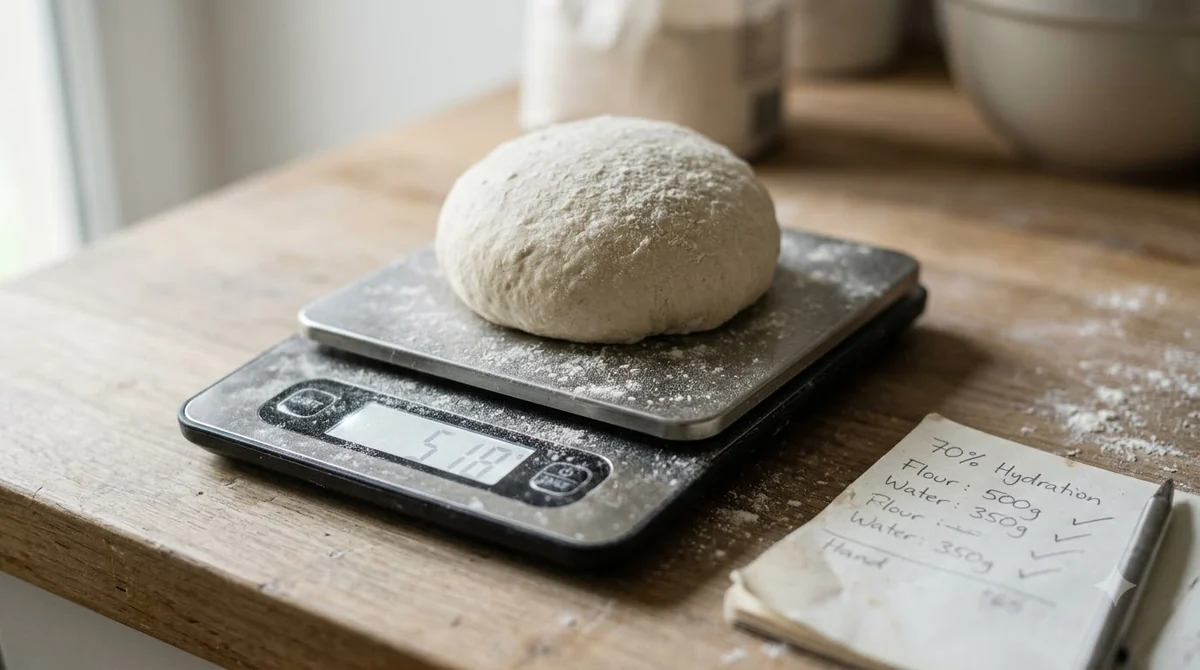
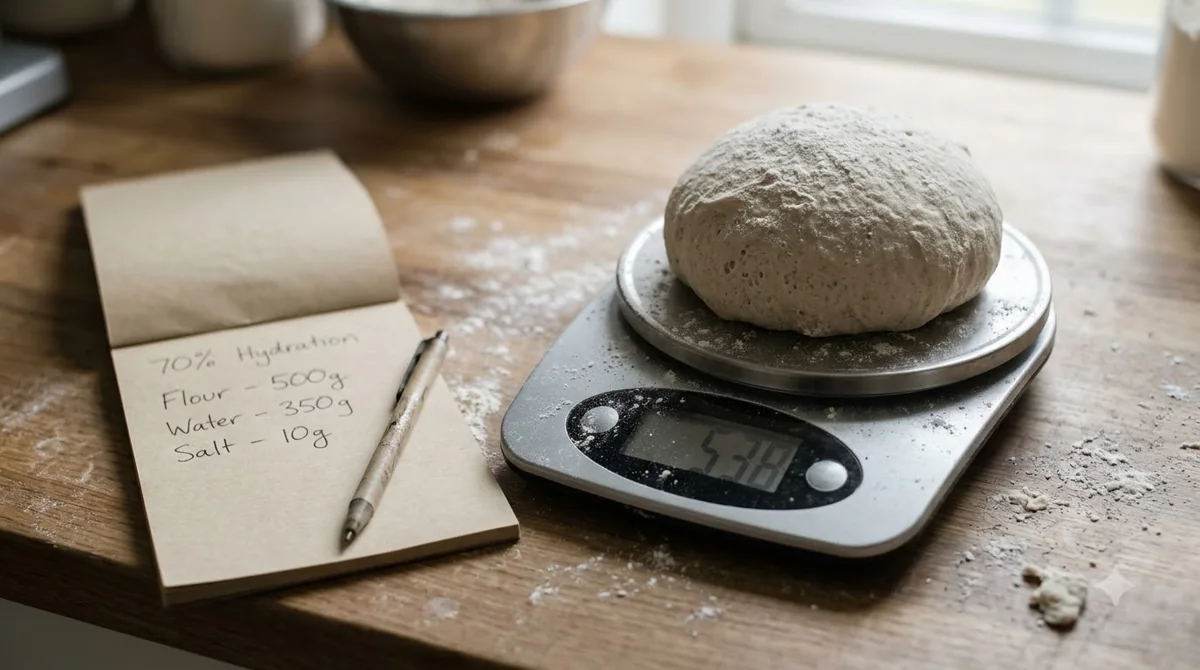
- Divide the dough into equal balls. In its cold-proof method, Gozney uses about 250 g of dough for a 12-inch base, so weigh each ball to keep the sizes even (see how much dough for a 12-inch pizza).
- Place each ball in its own spot in the box, with space between them. The dough grows during proofing, so crowded balls press against each other.
- Close the lid so the seal is tight. A closed box keeps the surface from drying out during the rest.
- Proof at room temperature or in the refrigerator, using the timing in the table above.
- Check the dough before you use it, using the signs in the next section.
- If the dough came from the cold, let the balls sit at room temperature for about two hours before shaping.
Keep your pizza dough proofing box in the same place each time so you can compare batches. A written note of the date, the room temperature and the hours can save you from guessing next time.
How to Tell When the Dough Is Ready
The dough is ready when it has roughly doubled in size and passes the poke test.
Gozney says most doughs usually double in volume when they are proofed. It also describes a finger test. Press a fingertip gently into a ball. If the dough springs back right away, it needs more time. If it springs back slowly and leaves a slight indentation, it is ready.
Time alone does not decide readiness. A warm kitchen speeds up the rise, so a box on a warm counter may be ready sooner than the table suggests. Check the volume and the poke test before each step, rather than relying on the clock. Our guide on how long to proof pizza dough covers timing in more detail.
How to Choose a Pizza Dough Proofing Box
Choose a box by its size, lid seal, material and stacking design, because these features decide how well it protects the dough.
| Feature | What to look for | Why it matters |
|---|---|---|
| Size | Room for every ball to grow. One commercial listing is 18 x 26 x 3 inches | Crowded balls press together and lose shape |
| Lid | An airtight seal | Stops the surface from crusting |
| Material | Food-safe plastic such as polypropylene | Easy to clean and common in commercial boxes |
| Stacking | Boxes that nest together | Saves shelf space and keeps stacks covered |
| Food-safety listing | An NSF certification stated in the listing | Confirms the maker lists the box as meeting NSF standards |
The 18 x 26 x 3 inch size comes from a commercial listing by Vollrath, a foodservice supplier. The listing describes a polypropylene box that is NSF certified and stackable, with the bottom of one box acting as the lid for the box below. Vollrath now marks that model as discontinued, so use it as a reference for features rather than a current purchase.
Measure your refrigerator shelf before you buy. A box has to fit the place where it will rest for the full cold proof, not only the counter where you shape the dough.
Capacity matters as much as size. A pizza dough proofing box for four balls is different from one for eight. Count the balls you make in a typical session, then choose a box that holds that number with space between them. A box that is too small forces crowding, which is the first mistake covered below. To compare ready-made options, start with our roundup of the best pizza dough containers.

Common Mistakes With Dough Boxes
Most problems with a pizza dough proofing box come from proofing too warm for too long, crowding the balls, or skipping the warm-up after a cold proof.
- Proofing too warm for too long. Gozney warns that warmth combined with a long rise makes dough over-proof, and the dough becomes “floppy and sour tasting.” Our page on overproofed pizza dough shows the signs.
- Leaving the lid off. An open pizza dough proofing box lets the surface dry, and a well-made box is meant to prevent crusting on top.
- Crowding the balls. Each ball needs space to grow during the rest.
- Holding cold dough too long. Gozney says the optimum window is around 2 to 3 days before the dough starts to deteriorate.
- Skipping the warm-up. Gozney recommends about two hours at room temperature after a cold proof, before shaping.
Frequently Asked Questions
Can I put a pizza dough proofing box in the refrigerator?
Yes, a refrigerator is the usual place for a cold proof. Gozney describes cold proofing as taking 24 to 72 hours and says it develops flavor. Allow about two hours at room temperature before you shape the balls.
How long can pizza dough stay in a proofing box?
Gozney gives 1 to 24 hours or more at room temperature, and 24 to 72 hours cold. It says the optimum window is around 2 to 3 days before the dough starts to deteriorate, so do not push a batch much beyond that.
How do I know if pizza dough is over-proofed?
Over-proofed dough feels floppy and tastes sour, according to Gozney. Check the volume first, since most doughs double. Dough that springs back immediately after a poke needs more time, while dough that springs back slowly is ready.
Do I need the lid on a pizza dough proofing box?
Yes. Cambro advises covering the dough with a lid that has an airtight seal, because a well-made box prevents crusting on top and encourages consistent proofing.
What size pizza dough proofing box do I need?
Start with the number of balls you make and the shelf space you have. The commercial listing used in this article is 18 x 26 x 3 inches, but a home batch may need less. Measure your refrigerator shelf first, then check that every ball has room to grow inside the box.
Pick a box that seals, leaves room for each ball and fits your refrigerator. Start with a cold proof of at least 24 hours, check the poke test on the day you plan to bake, and give the balls about two hours to warm up. That routine matters more than the pizza dough proofing box itself.
 9 min readGear & PantryBest Pizza Dough Containers for Proofing and Storing DoughUpdated Nov 17, 2026
 8 min readGear & PantryPizza Dough Docker: What It Does and What to Check Before You BuyUpdated Nov 17, 2026
 8 min readGear & PantryCavatelli Maker: What It Does and How to Choose and Use OneUpdated Nov 17, 2026
 8 min readGear & PantryPizza Peel: What It Does and How to Choose OneUpdated Nov 16, 2026
 8 min readGear & PantryPizza Dough Roller: Types, Uses and What to Check Before You BuyUpdated Nov 8, 2026
 9 min readGear & PantryHow to Use a Pizza Dough RollerUpdated Nov 11, 2026