
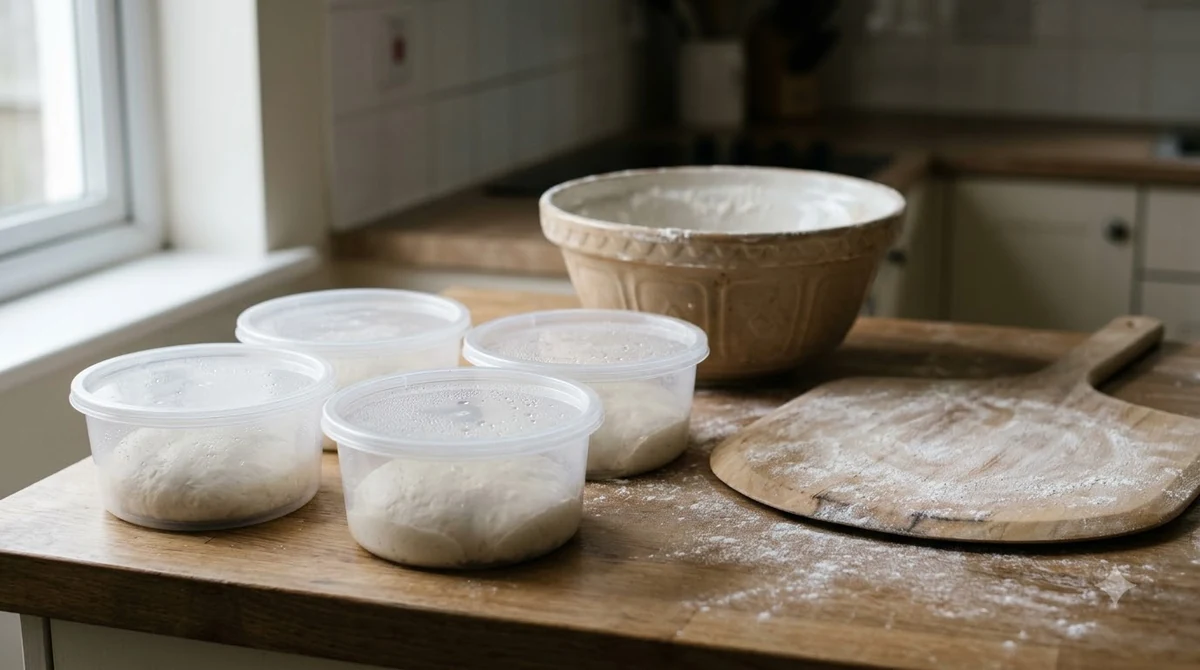

Bulk fermentation pizza dough is the first rise, when the whole batch rests covered in one piece before you divide it into balls. Pizza oven guidance puts the length of this stage at 2 to 24 hours, depending on the type of dough you make.
The right timing for bulk fermentation pizza dough depends on your recipe and your kitchen temperature. The sections below cover the setup for bulk fermentation pizza dough, the signs that the dough is done and when the fridge is the safer choice.
What Bulk Fermentation Pizza Dough Involves
Bulk fermentation is the rise of the whole dough mass before it is divided and shaped. During this stage, yeast produces gas, and the dough grows as one piece.
Bulk fermentation comes before the final proof. In the final proof, the shaped balls rest again before you stretch them. The bulk stage is different because the dough is still one piece, so every ball you cut later starts from the same state of fermentation.
That shared starting point is the main reason the stage matters. If the whole batch rises evenly, the balls behave more consistently when you shape and bake them. Uneven timing usually shows up later as balls that spread unevenly or tear.
Bulk fermentation pizza dough is also the easiest stage to check without handling it much. Nothing is shaped yet, so a timing mistake here is easier to fix than one made after the balls are cut.
How Long Bulk Fermentation Pizza Dough Should Rise
Gozney’s proofing guide gives a range of 2 to 24 hours for bulk fermentation, depending on the type of dough you make. Use the timing in your recipe as the starting point, not a fixed rule, and see how long to proof pizza dough for the final-proof stage.
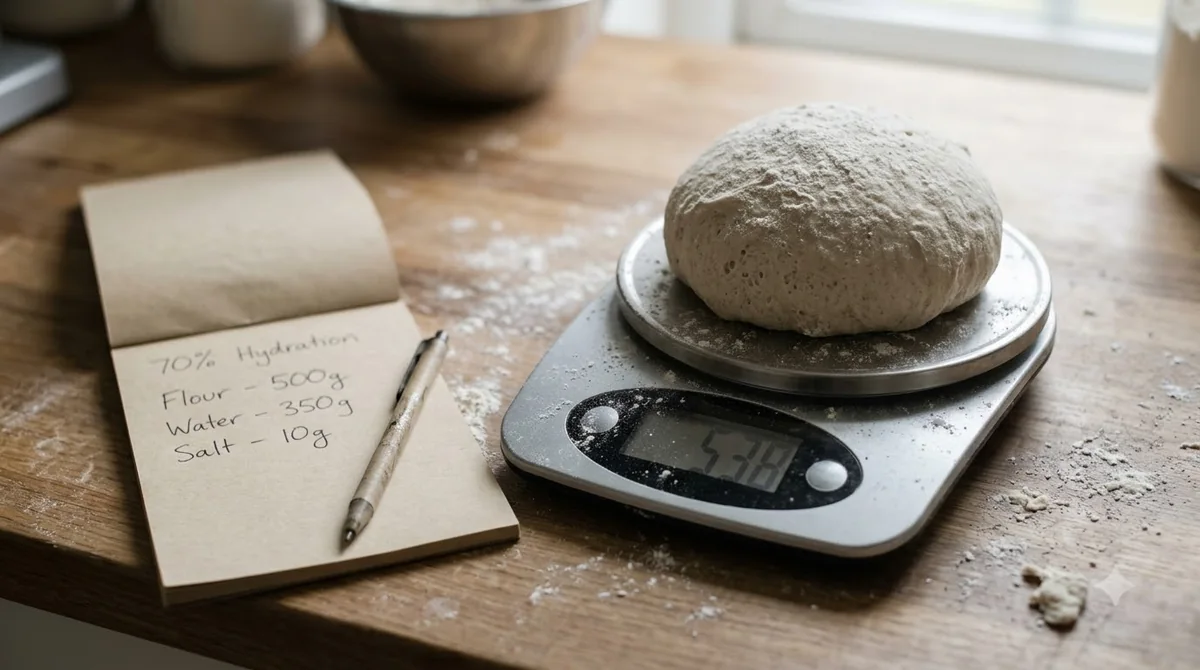
The range is wide because the recipe changes how fast bulk fermentation pizza dough grows. Yeast amount, flour, water content and temperature all affect the pace. A dough with more yeast usually climbs faster than one with less, so the same clock time can give different results from one batch to the next.
The upper end of the range carries the most risk. A long bulk rise can push the dough past its best point, so the clock alone is a weak guide. Watch the dough itself, using the volume and springback checks covered further down.
The pages read for this guide do not give a bulk time for room temperature, so do not copy a number from a generic chart. Treat the recipe and the dough as the two sources of truth.
If your kitchen runs warm, check your bulk fermentation pizza dough earlier than the recipe suggests. If it runs cool, the rise will take longer, so give the dough more of the range before you decide it has stalled.
How to Cover the Dough During the Bulk Rise
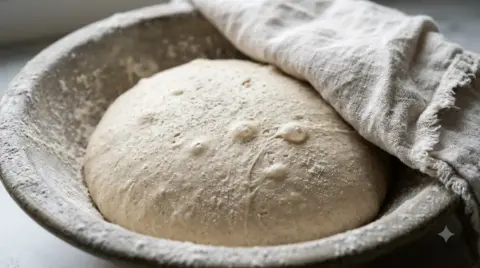
Put the dough in an airtight container, or in a bowl covered tightly with plastic wrap, so the surface does not dry out during the rise.
- Lightly oil the container or bowl so the dough lifts out cleanly later.
- Place the dough in the center, leaving room for it to grow.
- Seal the container with its lid, or press plastic wrap onto the surface.
- Keep it somewhere with a steady temperature, away from drafts and direct heat.
- Check the dough at the time your recipe gives, and again at intervals after that.
Gozney, which makes pizza ovens, gives an airtight cover as the method for bulk fermentation pizza dough. The reason it states is that an airtight seal keeps the surface of the dough from drying out.
How to Tell Bulk Fermentation Is Done
Most doughs roughly double in volume during the rise, and a poke test shows whether bulk fermentation pizza dough is ready to shape.
| Check | What you see | What it means |
|---|---|---|
| Volume | The dough has roughly doubled | Usually ready. If it has barely grown, it needs longer |
| Poke test, fast springback | The dough bounces back right away | It needs more time |
| Poke test, slow springback | The dough springs back slowly and leaves a small indent | Ready to shape |
| Surface | A dry skin on top | The cover was loose or missing |
Gozney presents the volume and poke checks in its proofing guidance rather than in a bulk-only section. Use them as signs of readiness, not as exact timers, and read the dough in your own bowl. The full set of checks is in how to tell if pizza dough is ready.

Room Temperature Bulk or Fridge Bulk
Gozney recommends an overnight bulk in the fridge for 24 to 48 hours, and says cold slows fermentation without killing the yeast.
| Option | Timing | What to watch |
|---|---|---|
| Room temperature bulk | Set by your recipe; no time confirmed on the pages read | A warm room speeds the rise, so check volume early |
| Fridge bulk (Gozney) | 24 to 48 hours, as one whole piece | Cold slows the rise but does not kill the yeast |
| Cold proof (Ooni) | 24 to 72 hours, covered in the fridge | Remove when roughly doubled; 3 to 5 days is generally the longest |
Ooni’s cold-proof guide says to remove the dough when it has roughly doubled in size. It also warns against waiting too long, because over-proofing is possible. The fridge temperature is not stated on the pages read for this guide, so check your refrigerator’s own setting rather than relying on a number from memory.
For a deeper look at the cold option for bulk fermentation pizza dough, our cold ferment pizza dough guide covers the same trade-off from the fridge side.
Common Mistakes With Bulk Fermentation
The two common errors are stopping too early, before the dough has grown, and letting it run past its peak. Both come from judging by the clock instead of the dough.
- Stopping at the clock time without checking whether the dough has grown.
- Leaving the cover loose, so the surface dries during the rise.
- Letting the dough sit far beyond its peak, which Ooni warns can lead to over-proofing.
- Shaping right after a springy poke test, before the dough has settled.
If the dough has gone too far, our overproofed pizza dough guide explains the signs and what you can still do with it.
Under-rising is the mirror image for bulk fermentation pizza dough. A dough that springs back at once has not built enough gas yet (see underproofed pizza dough), and shaping it early can make the balls harder to stretch. Give it more time, then test again.
What Is Not Confirmed and How to Check It
The pages read for this guide do not give a room temperature bulk time or a fridge temperature, so the 2 to 24 hour range is a guide, not a fixed rule for bulk fermentation pizza dough.
Kitchen temperature changes how fast the rise moves. A warm room speeds it up and a cool room slows it down, so the same recipe can finish at different times in different homes.
- Check your recipe for the stated bulk time and temperature.
- Judge the rise by volume and the poke test rather than the clock.
- Confirm your fridge setting with a thermometer before a long cold rest.
Keep a short log for every batch of bulk fermentation pizza dough: the bulk time, the room temperature and the volume you reached. Over a few batches, the log shows the window that suits your kitchen better than any general chart.
Frequently Asked Questions
Is bulk fermentation the same as the final proof?
No. Bulk fermentation is the rise of the whole dough piece before it is divided. The final proof happens after the balls are shaped, and it is a separate stage with its own timing.
Do I need to cover the dough during bulk fermentation?
Yes. For bulk fermentation pizza dough, Gozney’s guidance says to use an airtight container or a bowl covered with plastic wrap, which keeps the surface from drying out during the rise.
Can bulk fermentation run overnight at room temperature?
The pages read for this guide do not confirm a safe overnight time at room temperature. The option Gozney recommends for an overnight bulk is the fridge, for 24 to 48 hours.
How long can cold-fermented dough stay in the fridge?
Ooni says three to five days is generally the longest to go, because over-proofing is possible. Check the dough before that point, using its size and the poke test.
Does a longer bulk rise change the flavor?
A longer fermentation generally develops more flavor, but the pages read for this guide do not give a specific figure for how much change to expect. Taste your own dough over several batches to learn your recipe.
Should I fold or degas the dough during bulk fermentation?
Some recipes call for folds or degassing during the rise. The pages read for this guide do not cover that technique, so follow your recipe and check the volume and springback afterward.
Choose the bulk length for your bulk fermentation pizza dough from your recipe and your kitchen temperature, then decide by the volume and the poke test. If you need to slow the process down, the fridge gives more control than a warm room does.
 8 min readLearnHow Long to Bake Pizza at 500 F and How to Tell When It Is DoneUpdated Nov 11, 2026
 8 min readLearnPizza Dough Fermentation: Stages, Timing and Signs It Is ReadyUpdated Nov 11, 2026
 8 min readLearnHow Long Can Pizza Dough Sit Out at Room Temperature?Updated Nov 11, 2026
 8 min readLearnHow Long to Knead Pizza Dough (By Hand and in a Mixer)Updated Nov 10, 2026
 10 min readLearnHow Long Does Pizza Dough Last in the Fridge?Updated Nov 10, 2026
 9 min readLearnHow Long to Proof Pizza DoughUpdated Nov 10, 2026