
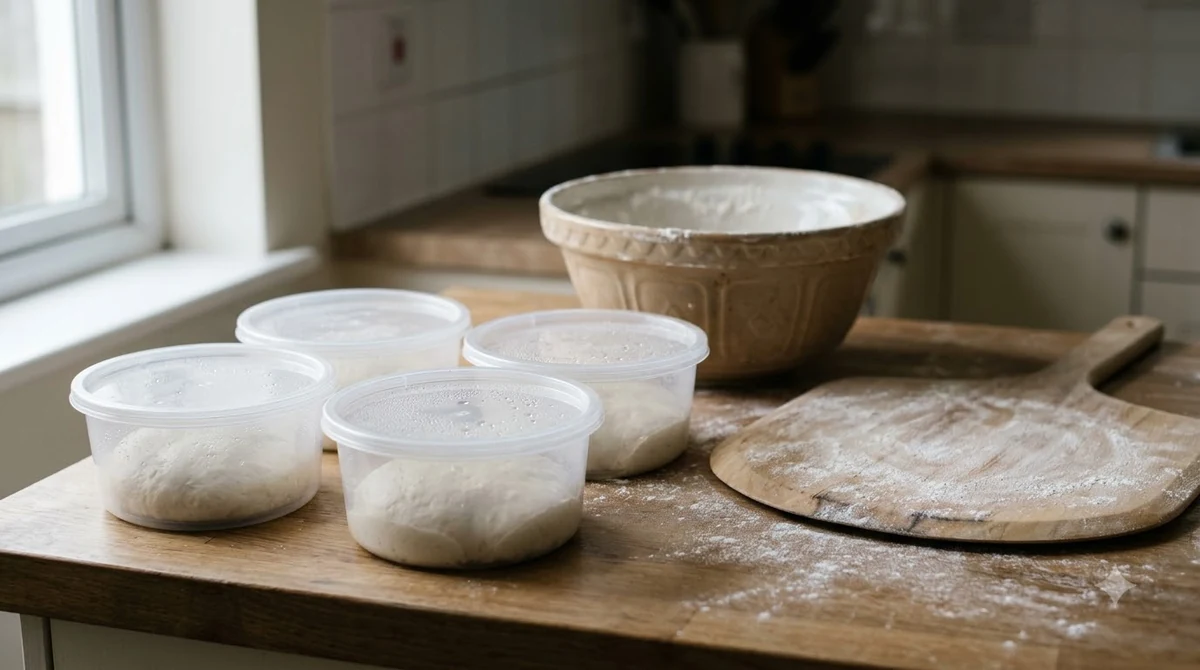

Yes, you can refrigerate pizza dough after rising, and many home recipes build that step in on purpose. The dough keeps working slowly in the cold, so the timing and the fridge temperature matter more than the exact hour you bake.
A search like “can you refrigerate pizza dough after rising” usually means the first rise is done and the bake is still hours away. Cold storage gives you room to plan, but it has limits. Keep the refrigerator at 40 degrees F or lower, cover the dough well, and plan the cold rest so it does not run too long.
Can you refrigerate pizza dough after rising safely?
Yes, dough that has risen at room temperature can go into the refrigerator, as long as the fridge stays at 40 degrees F or lower. Chilling is a normal step in many recipes, not a shortcut.
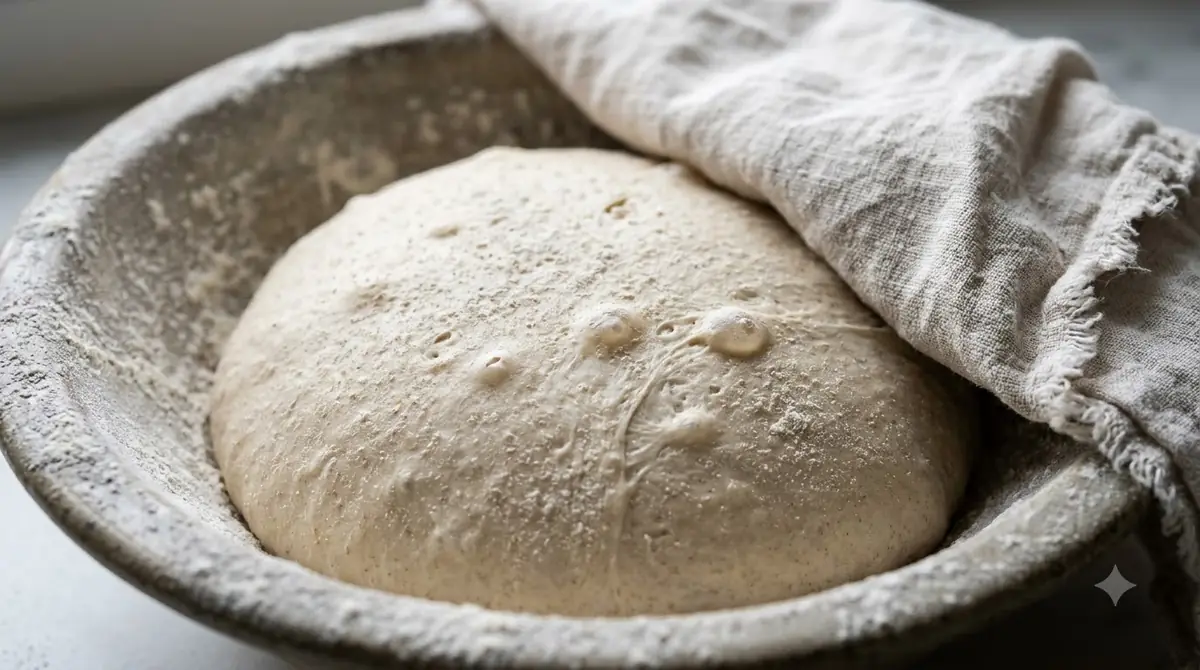
The 40 degrees F figure comes from USDA Meat and Poultry Hotline guidance, which Food Safety News quotes. The same guidance notes that bacteria grow most rapidly between 40 and 140 degrees F, a range often called the danger zone. Moving the dough into a cold fridge soon after the rise keeps it out of that range.
That guidance is written for cooked and perishable food, so it does not give a dough-specific rule. Check your own recipe for the exact timing, and treat the fridge as the place the dough waits, not a place to forget it. For longer storage, see how long pizza dough lasts in the fridge.
The cold also changes how the dough behaves. The King Arthur recipe notes that the dough will rise slowly while it chills, so a rest in the refrigerator is a way to slow the process down rather than stop it. That is why people use the step to control timing: the dough keeps developing flavor and structure, but at a pace you can plan around. The answer to “can you refrigerate pizza dough after rising” therefore usually comes down to how long the rest will last and how cold the shelf stays.
How to prepare the dough before it goes into the fridge
Deflate the dough gently, shape it into a tight ball, and cover it so the surface does not dry out. These steps keep the dough easier to handle when you take it out later.
- Let the dough rise once at room temperature. The King Arthur pizza crust recipe uses 45 minutes before the cold rest.
- Deflate it gently to release the largest gas pockets without tearing the surface.
- Shape it into a tight ball, which holds its form better than a loose mass.
- Cover it with an airtight container, a covered bowl or plastic wrap pressed against the surface.
- Place it on a shelf where the temperature stays steady, away from the door.
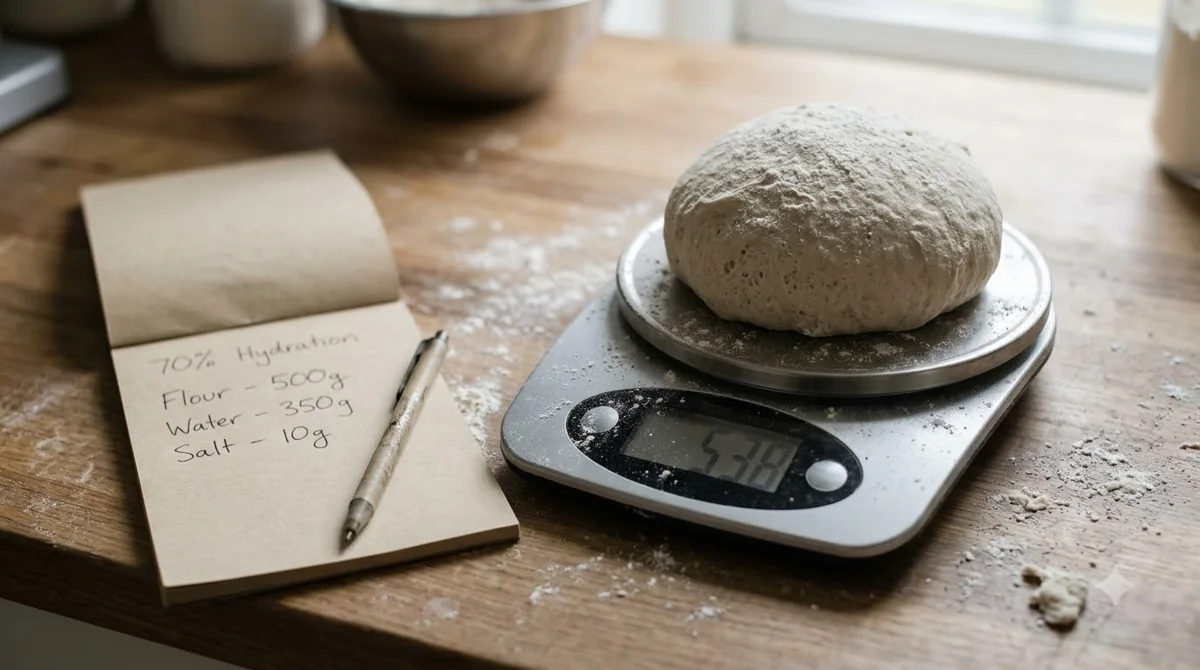
Keeping the dough covered is the main job here. An open container lets the surface dry and form a skin, which makes the dough harder to stretch later. Weighing the flour and water before you mix also helps you repeat a batch that worked.
How long can pizza dough rest in the fridge?
The King Arthur recipe gives a cold rest of 4 hours, or up to 24 hours, and no source read for this guide gives a longer limit. Treat that recipe as one published reference point, not a rule for every dough.
| Time in the fridge | What the source says |
|---|---|
| 4 hours | Minimum cold rest in the King Arthur recipe |
| Up to 24 hours | Upper limit given in the same recipe |
| Longer than 24 hours | No verified source in this guide. Check your recipe and inspect the dough before you bake. |
A dough with more yeast, a warmer fridge or a looser shape can change the timing, so the table is a starting point only. When you plan an overnight rest, aim for the middle of the range rather than the maximum, so there is margin if the fridge runs warmer than you expect.
Writing the time you chilled the dough on the container also makes it easier to judge how long it has been cold. If the dough has been cold for longer than your recipe allows, look for a sour or alcoholic smell, mold, gray patches or a slimy surface, and throw it out if you see any of them.
How to bring refrigerated dough back to room temperature
Take the dough out of the refrigerator 2 to 3 hours before you plan to bake, according to the King Arthur recipe. Cold dough is stiff and resists stretching, so the warm-up gives it time to relax.
- Move the dough from the refrigerator to the counter while it stays covered.
- Wait 2 to 3 hours before you plan to bake.
- If the dough was chilled, allow another 2 to 2.5 hours of rise before you shape it, as the King Arthur recipe describes.
Before you start the warm-up, check that the dough is soft and relaxed when you press it gently. A dough that springs back slowly is usually ready to shape, while one that is still firm needs more time on the counter.
Plan this step from the time you want to eat, not from the time you start shaping; how to bring pizza dough to room temperature has more detail. Working backward from the serving time keeps the schedule honest, because the warm-up alone can take 2 to 3 hours before the dough is ready to shape. A cold dough that goes straight onto the peel tends to tear, while one that has warmed and risen again is easier to open into a round.

Mistakes that spoil refrigerated pizza dough
Most problems come from an open container, a warm fridge or a rise that ran too long before chilling. Each one can be avoided before the dough goes in.
- Leaving the container uncovered, so the surface dries and forms a skin.
- Keeping the dough on a shelf near the door, where the temperature rises each time the door opens.
- Letting the first rise run long, which can leave the dough over-proofed once it warms up.
- Skipping the warm-up, so the dough is too stiff to stretch evenly.
Over-proofed dough often feels slack and sticky, and it can tear when you stretch it (see overproofed pizza dough). The fix is usually a shorter rise before chilling, not a longer one.
A simple checklist before the dough goes in helps avoid most of these problems, and it answers the practical side of “can you refrigerate pizza dough after rising” at all. Confirm the fridge reads 40 degrees F or lower, cover the dough, write the chill time on the container, and set a reminder for the warm-up. Each step is small, but together they decide whether refrigerated dough behaves well when you come back to it.
Frequently Asked Questions
Can you refrigerate pizza dough after rising without deflating it?
Yes, you can refrigerate pizza dough after rising without deflating it, but the King Arthur recipe includes a tip to deflate the dough gently, cover it and chill it overnight. Deflating releases the largest gas pockets, so the dough shapes more evenly later. Check your own recipe for the exact method.
Does refrigerated pizza dough need a longer rise before baking?
Usually it needs a warm-up rise. The King Arthur recipe allows 2 to 2.5 hours at room temperature after a cold rest, so plan around that window rather than a fixed hour. A warm kitchen speeds the rise, and a cold one slows it.
Can you bake pizza dough straight from the fridge?
It is not a good idea. Cold dough is stiff and hard to stretch, and it can tear on the peel. Let it warm for the time your recipe gives, usually 2 to 3 hours, so it relaxes before you shape it.
What temperature should the refrigerator be for pizza dough?
Keep the refrigerator at 40 degrees F or lower. That is the figure given in USDA Meat and Poultry Hotline guidance, quoted by Food Safety News. An appliance thermometer shows the real temperature, since door openings can warm the shelves.
Should you chill pizza dough before or after the first rise?
In the King Arthur recipe, the dough rises at room temperature for 45 minutes first, and the cold rest comes after that. Letting the first rise happen before chilling gives the yeast a head start, so the dough is ready to develop in the fridge. Our cold ferment pizza dough guide covers the longer version. Check your recipe if it asks for a different order.
Can you freeze pizza dough after it rises?
This guide has no verified source for freezing times, so it does not give a number; can you freeze pizza dough covers freezing. Check a dough-specific guide or your recipe before you freeze dough, and label the container with the date.
If you plan to bake later in the week, chill the dough for a window you can control and check it before you shape it. Keep the fridge cold, cover the dough and let it warm before you stretch it. If the dough smells sour or looks gray, do not try to rescue it.
 9 min readLearnPizza Dough Not Rising? Causes and Fixes That WorkUpdated Nov 10, 2026
 10 min readLearnDo You Rinse Pasta After Cooking It?Updated Nov 10, 2026
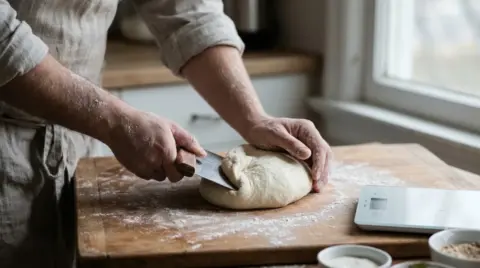 9 min readLearnPizza Dough Too Dry? How to Fix It and Prevent ItUpdated Nov 11, 2026
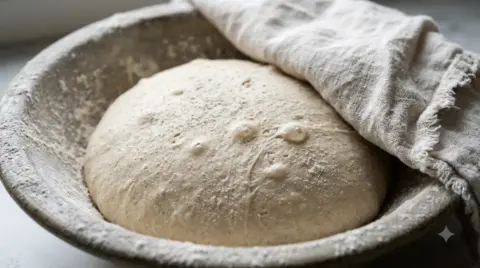 7 min readLearnWhy Pizza Dough Balls Stick Together and How to Stop ItUpdated Nov 11, 2026
 9 min readLearnSourdough Discard Pizza Dough: A Simple Recipe for Home OvensUpdated Nov 11, 2026
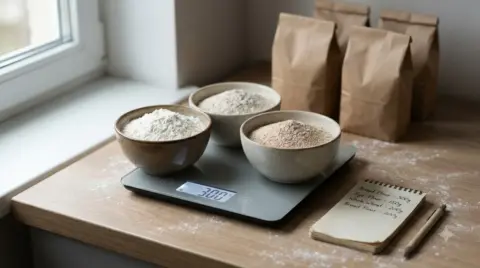 8 min readLearnPizza Dough Flour to Water Ratio: How to Set It for Each StyleUpdated Nov 11, 2026