
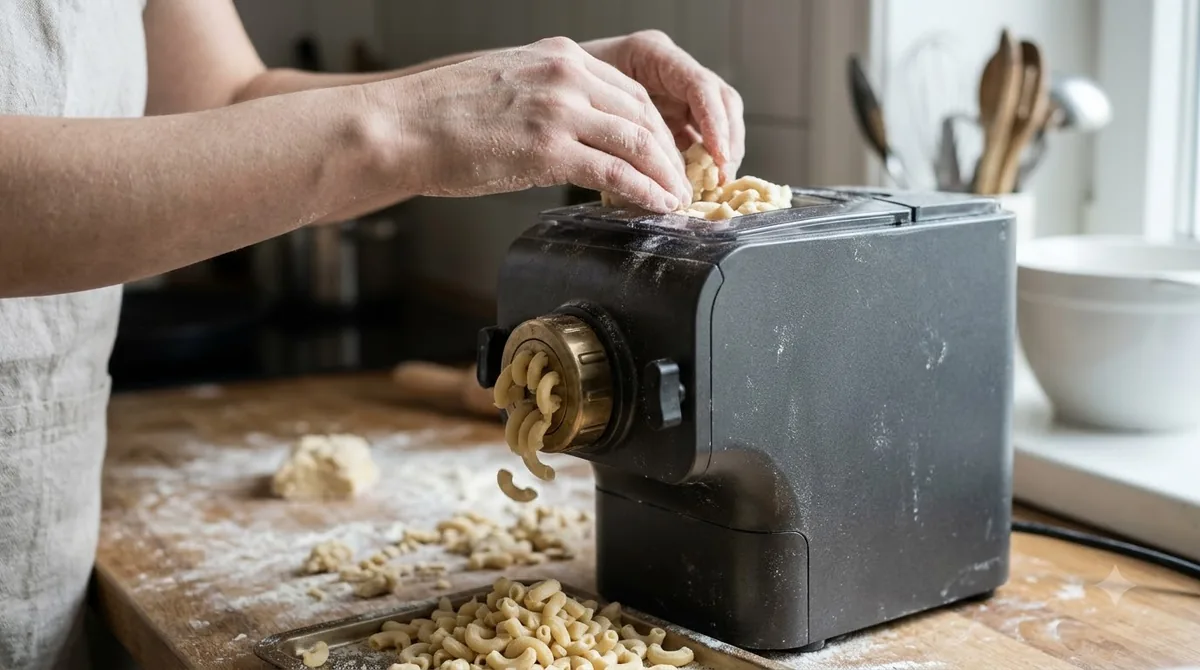

Tortiglioni pasta is a short hollow tube with deep spiral ridges, and it is an Italian shape that one producer ties to Naples. Cooks often compare it with rigatoni. Sources do not fully agree on its size, so check the package before you choose it.
Tortiglioni pasta holds thick, meaty and creamy sauces well because its grooves catch the sauce. Pick it when a chunky sauce needs a shape that grips, and use the package time for cooking.
What Tortiglioni Pasta Looks Like
Tortiglioni pasta is a short tube with vertical ridges that spiral along its length, and it sits in the same family as rigatoni.
Wikipedia’s tortiglioni entry describes the shape as similar to rigatoni but larger, with deeper grooves that spiral around the pasta. DeLallo, a brand that sells it, describes the opposite: a tortiglioni that is more narrow and a bit thinner than rigatoni. Because the two descriptions disagree, compare the dimensions on the box before you buy, and do not assume a tortiglioni pasta is wider than the rigatoni you already own.
| Pasta | Shape | Ridges | Ends |
|---|---|---|---|
| Tortiglioni pasta | Short hollow tube | Vertical ridges that spiral along the length | Straight cut |
| Rigatoni | Tube, larger than penne and ziti | Ridges along the length, sometimes spiraling | Cut perpendicular to the tube walls |
| Penne | Narrower tube than rigatoni | Ridges run lengthwise | Cut diagonally |
According to Wikipedia’s rigatoni entry, the ridges give sauce and grated cheese more surface to cling to than smooth pasta such as ziti. No source measures that surface gain for tortiglioni pasta itself.
Penne is the shape most often confused with it (see our penne pasta guide). DeLallo says penne is narrower than rigatoni, has diagonally cut ends and ridges that run lengthwise, while tortiglioni has straight-cut ends and spiraling grooves.
Where Tortiglioni Comes From
Tortiglioni pasta is an Italian shape. Wikipedia lists Italy as the place of origin without naming a region, while a Stefano Faita product page calls it one of the many variations of Neapolitan maccheroni, which ties it to Naples.
The name is usually linked to the Latin word torquere, meaning to twist. DeLallo’s blog lists other possible roots, including tortillare, meaning to wrap, and a spiral-ridged drill bit called a mecchia a tortiglione. Treat the Naples link as a producer’s description rather than settled history.
The related rigatoni takes its name from the Italian word rigato, meaning lined, striped or ridged. Wikipedia notes that rigatoni is especially popular in southern Italy, particularly Sicily.
How Tortiglioni Is Made
Tortiglioni pasta is extruded through bronze dies and dried slowly, according to the producers’ own pages. Pasta in general is made from semolina flour and water, and Wikipedia’s pasta article notes that short shapes are made by extrusion.
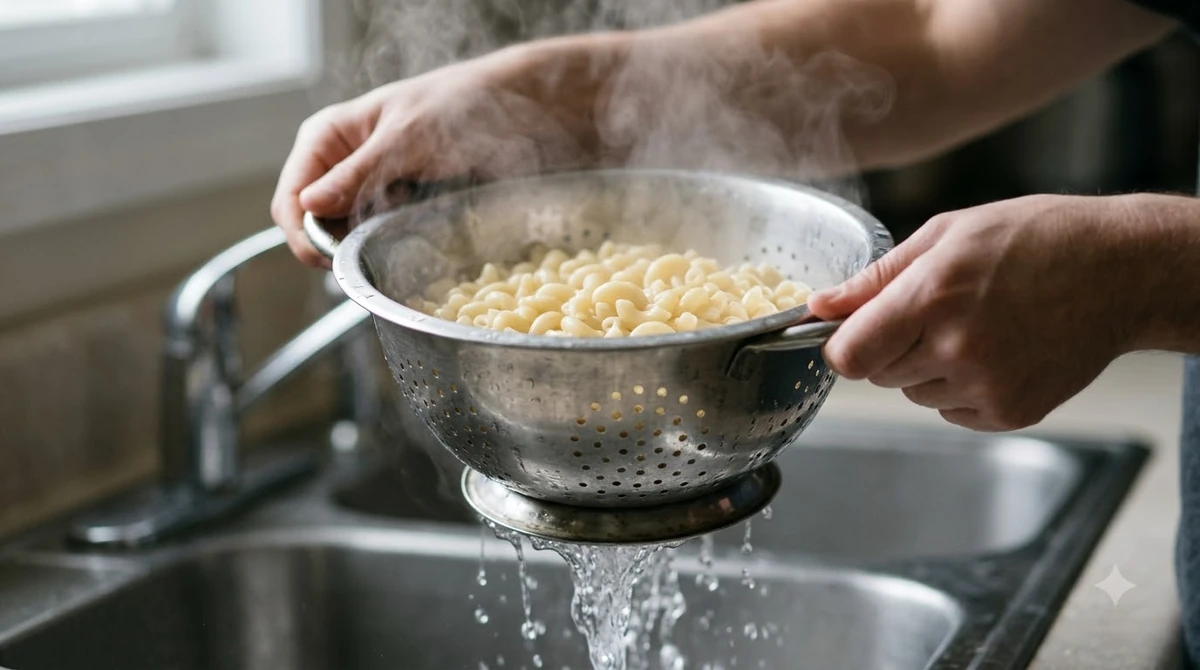
DeLallo says the dough is pushed through bronze dies, which it claims leaves a rougher surface that holds sauce better. It also says the pasta dries at a low temperature to protect color, texture and aroma. These are brand claims, so the surface benefit is a manufacturer statement rather than an independent test. The Stefano Faita page describes the same bronze-die method and slow drying for its 454 g package of tortiglioni.
Wikipedia’s pasta article adds that the size and shape of the die determine the final result of extrusion, so the same dough can produce very different shapes. It also says durum wheat is used predominantly in southern Italy, while soft wheat is more common in the north, which fits the Naples link on the Faita page.
How to Cook Tortiglioni Pasta
Cook tortiglioni pasta in plenty of salted boiling water for about 11 minutes, then test a piece for al dente. DeLallo describes al dente as tender with a slightly firm bite in the center.
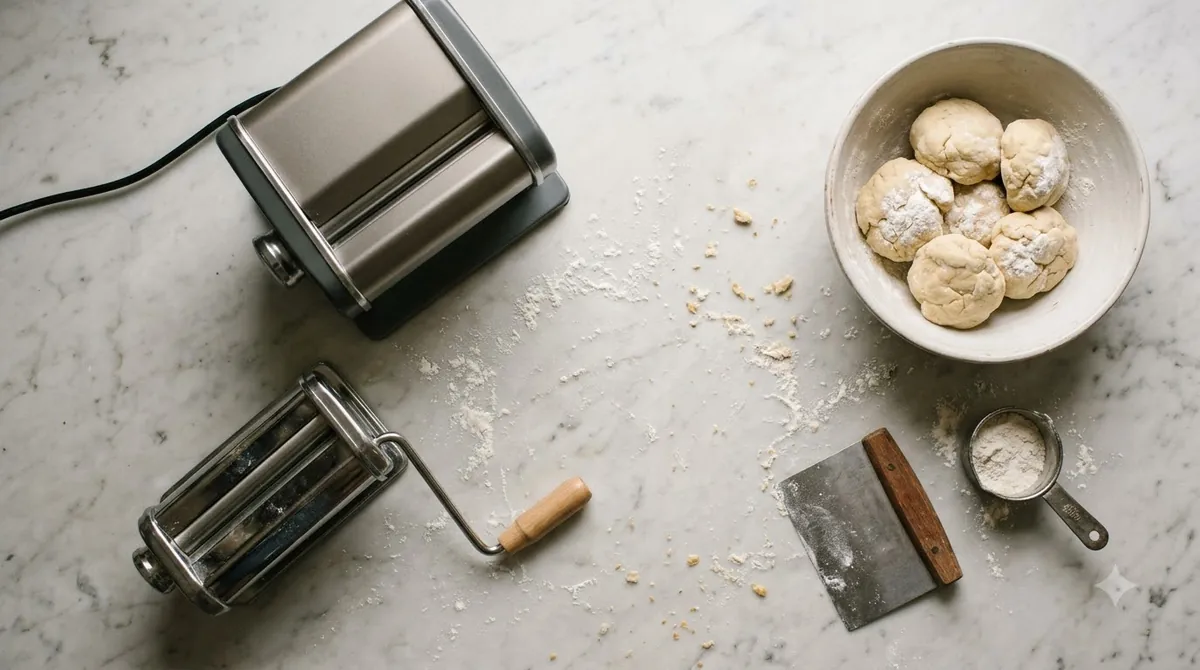
- Use 2 tablespoons of salt for every 5 quarts of water, as DeLallo’s instructions recommend.
- Do not add oil to the cooking water.
- Cook for about 11 minutes. DeLallo’s fact box gives 11 to 12 minutes, so check the package time because brands differ.
- Test a piece for the al dente bite before you drain.
- Reserve about a cup of the starchy pasta water before you drain the pot.
- Toss the drained tortiglioni pasta in a pan with warm sauce over high heat for about 2 minutes.
Wikipedia’s pasta article explains that pasta is cooked in salted water because the pasta itself is unsalted. It also says the timing of the salt does not matter, and the amount of salt does not change the cook speed, so the 2 tablespoons per 5 quarts ratio is a guideline for flavor rather than timing. Our page on whether to salt pasta water goes deeper on that question.
Sauces and Dishes That Suit Tortiglioni
Tortiglioni pasta suits thick meat sauces, cream-based sauces and baked dishes that use melted cheese. DeLallo lists the same families, and the Stefano Faita page calls out thicker sauces and baked dishes as good matches.
- Meat ragù, such as our bolognese sauce recipe
- Cream sauces, including Alfredo-style sauces
- Rich tomato sauces
- Baked pasta with melted cheese, including mac and cheese
- Lighter olive oil sauces, which DeLallo says also work

Choosing Between Tortiglioni and Rigatoni
Pick tortiglioni pasta when you want deeper spiral grooves and straight-cut ends, and pick rigatoni when you already know its size works for your dish. The sources do not give a single measurement, so the choice depends on the exact box you buy.
- Choose tortiglioni for deeper spiral grooves than rigatoni, as Wikipedia describes the shape.
- Choose tortiglioni if you want straight-cut ends rather than the angled cut of penne.
- Choose rigatoni if your recipe is written for it, so the size matches the one the recipe expects.
If you want something smaller than rigatoni, Wikipedia mentions rigatoncini, a smaller version that is close to penne in size. It is a useful reference point when a recipe calls for a short tube but a full rigatoni is too large for the sauce. Our rigatoni pasta guide covers that shape in full. For a smooth, angle-cut alternative, see mostaccioli pasta guide.
- Compare the box dimensions, because the Wikipedia and DeLallo descriptions point in different directions.
Common Mistakes When Cooking Tortiglioni
The most common mistakes are rinsing the pasta, adding oil to the water and skipping the salt. Each one affects how the sauce sticks or how the pasta tastes.
- Rinsing removes the surface starch that helps the sauce adhere, according to DeLallo. See rinsing pasta after cooking for more.
- Adding oil to the cooking water is not recommended, since DeLallo says the sauce will not stick as well after that.
- Under-salting, because the pasta itself is unsalted and the cooking water is the only place it gets seasoned, according to Wikipedia’s pasta article.
- Skipping the al dente test, so the pasta is drained by the clock alone rather than by its bite.
Frequently Asked Questions
Is tortiglioni the same as rigatoni?
No, the two are related but not identical. Wikipedia describes tortiglioni as larger than rigatoni, while DeLallo says it is more narrow and a bit thinner. Compare the box dimensions before you swap one for the other.
How long does tortiglioni take to cook?
DeLallo’s instructions give about 11 minutes, and its fact box gives 11 to 12 minutes. Brands differ, so follow the package time and test a piece for al dente before you drain.
What sauce goes best with tortiglioni?
Thick sauces work best, including meat ragù, cream sauces and rich tomato sauce. Baked dishes with melted cheese are also a good match, and DeLallo says lighter olive oil sauces work too.
Where does tortiglioni come from?
Tortiglioni pasta is an Italian shape. Wikipedia gives Italy without a region, and a Stefano Faita product page ties it to Neapolitan maccheroni, so Naples is likely but not proven.
Can you bake tortiglioni?
Yes. DeLallo lists baked pasta with melted cheese among the dishes that suit tortiglioni, and the Stefano Faita page names baked dishes as a good match. Both sources point toward thicker sauces, so choose a sauce with body for the oven.
Should you rinse tortiglioni after cooking?
No, DeLallo advises against rinsing because the surface starch helps the sauce cling to the ridges. Drain the pasta, reserve some cooking water, and toss it with the warm sauce.
If you want a ridged shape that holds a thick ragù or a baked cheese sauce, tortiglioni pasta is a practical choice. Check the package for size and cook time, because brands differ, and follow the salt and water guidance above before you start.
 7 min readLearnSpaghettini Pasta: What It Is, How to Cook It and What to Serve With ItUpdated Nov 10, 2026
 7 min readLearnTrenette Pasta: What It Is, How to Cook It and What to Serve WithUpdated Nov 10, 2026
 8 min readLearnManicotti Pasta: Shape, Size, Cooking Times and SubstitutesUpdated Nov 10, 2026
 8 min readLearnCannelloni Pasta: Shapes, Fillings and How to Bake ItUpdated Nov 10, 2026
 7 min readLearnJumbo Shells Pasta: What They Are and How to Cook ThemUpdated Nov 10, 2026
 8 min readLearnVermicelli Pasta: What It Is, How Thin It Is and How to Use ItUpdated Nov 10, 2026