

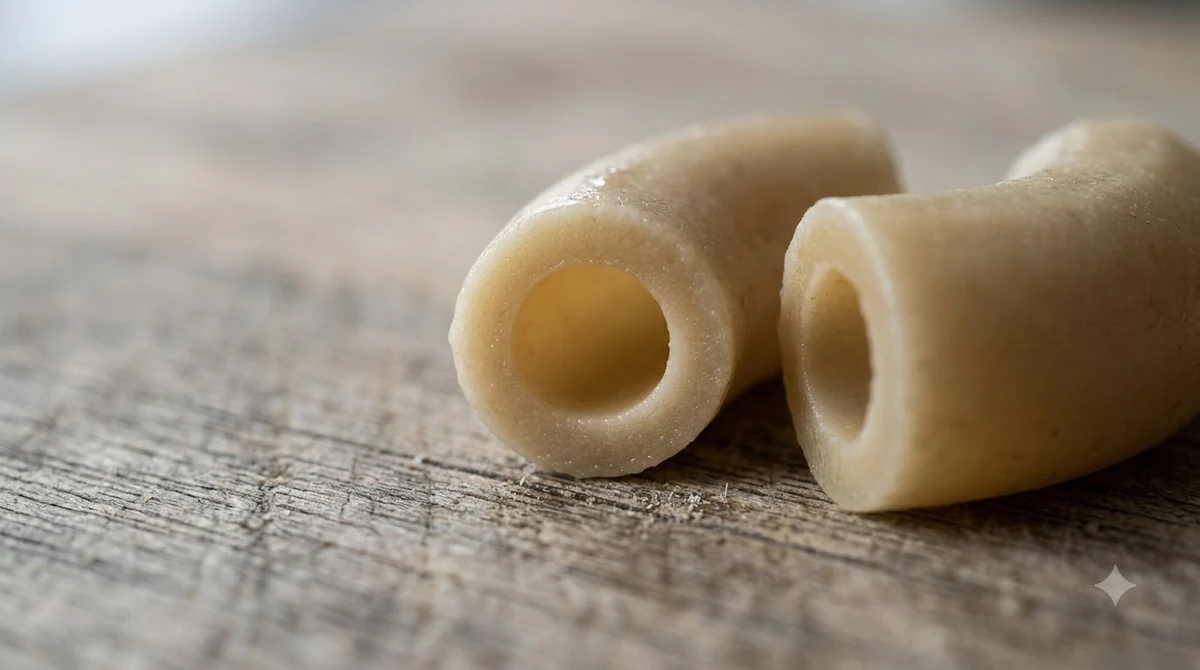
Homemade garganelli is an egg pasta cut into small squares, each wrapped around a thin stick and rolled over a ridged board until it forms a grooved tube. The ridges on the outside and the seam on one side are what set garganelli apart from other short pastas.
This guide covers the egg dough, cutting the squares, the wrap-and-roll shaping on a comb or board, and cooking. The shaping is the hard part, so plan a practice batch before you cook for guests.
What Goes Into Homemade Garganelli Dough
Homemade garganelli dough is an egg pasta enriched with grated hard cheese and a little nutmeg, which gives it a richer flavor than a plain flour and water dough.
One homemade garganelli recipe uses 1 1/2 cups (185 grams) of all-purpose flour, 2 large eggs at room temperature, 1/2 cup (30 grams) of finely grated Parmigiano Reggiano, and a pinch each of nutmeg, salt and black pepper.
Mix the flour and cheese, make a well in the center, add the eggs and stir with a fork until a shaggy dough forms. Knead by hand until the dough is smooth and firm. If it is crumbly, wet your fingers and knead a little more. If it sticks, add a small pinch of flour.
How to Rest and Roll the Dough Thin
Wrap the dough and rest it for between 10 minutes and 1 hour, then roll it out thin enough that you can almost see the counter through it. For the shape’s background, read our garganelli pasta guide.
The Marcellina recipe gives a rest of 10 minutes to 1 hour. A shorter rest is workable if you are short on time, but a longer rest makes the dough easier to stretch.
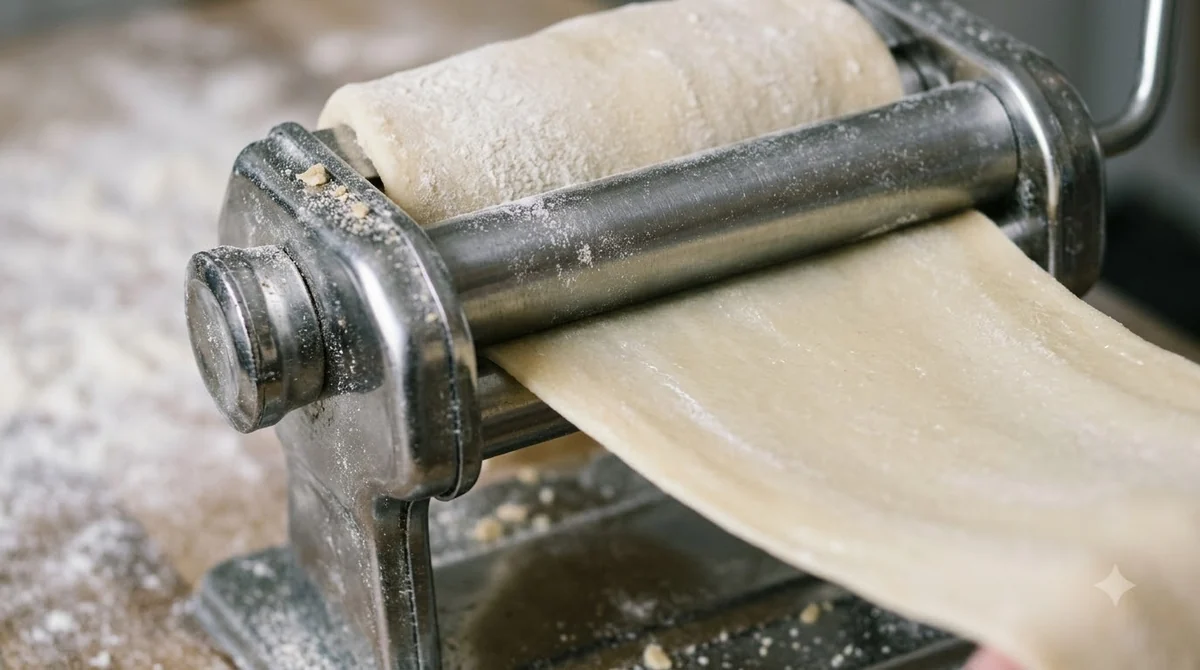
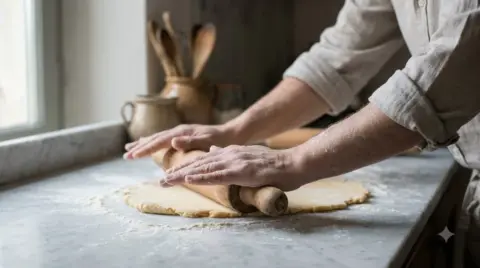
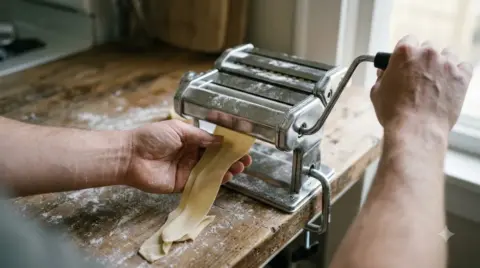
Roll the dough on a floured surface with a rolling pin, or use a pasta machine if you have one. Thin sheets are easier to wrap around the stick without tearing, so keep the sheet moving and dust it lightly as you go.
Work with a few squares at a time and keep the rest covered, so the dough does not dry out and crack while you wrap. A dry edge is the most common reason a piece splits along the seam.
How to Cut and Shape Garganelli
Cut the sheet into squares, wrap each square around a thin stick, then roll it over a ridged board so the grooves imprint on the outside and the piece seals along one edge. The ridged tool mentioned above is covered in garganelli boards for shaping. For a plain tube shape, compare extruded ziti tubes.
Cut the Squares
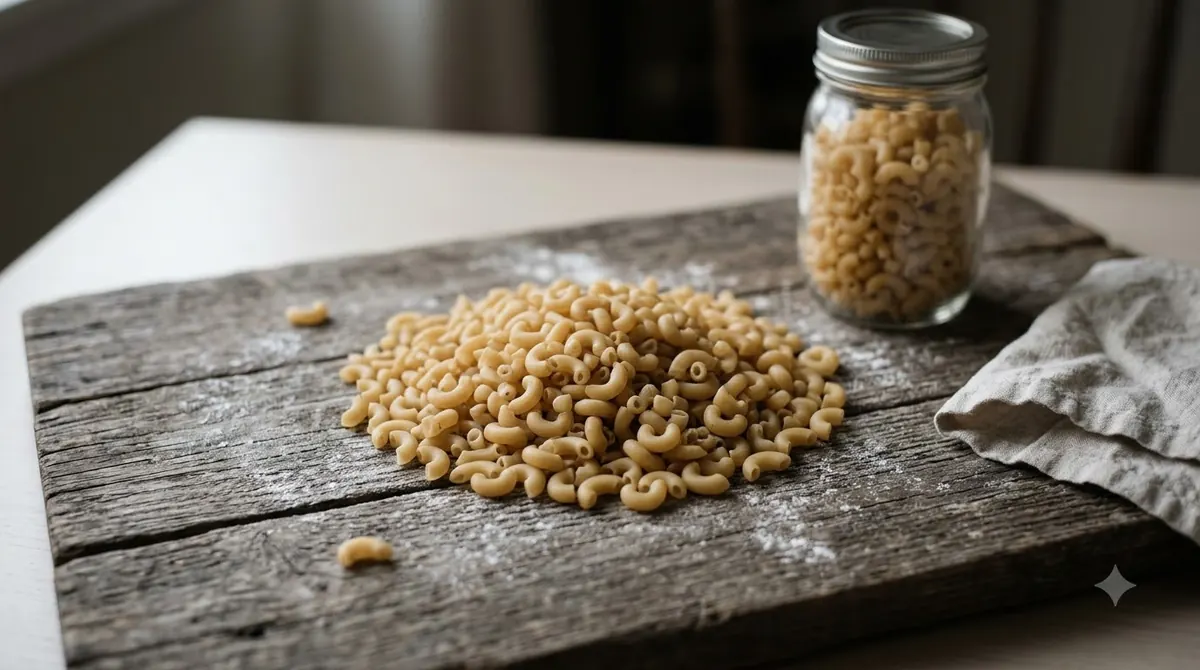
The Marcellina recipe cuts the sheet into squares 1 to 1 1/2 inches (2.5 to 3.5 centimeters) across. The Pasta Project guide to Romagna describes squares of about 3 to 5 centimeters, so the two sources overlap in the middle. Pick a size in that range and keep every square the same so the tubes cook evenly.
Wrap and Roll
Place a square on the ridged board or comb with one point facing you. Lay a thin stick, sometimes called a bastancino, across the square and roll it up so the dough wraps around the stick. Press the seam to seal it, then slide the stick off and set the piece aside.
The Pasta Project describes rolling the stick over the ridged board, which imprints the grooves that run around each piece. Apply light pressure, because heavy pressure squashes the tube and closes the seam.
If the seam does not hold, moisten the edge with a dab of water before pressing it shut. Keep the finished pieces dusted and spread out so they do not stick together while you finish the batch.
How to Cook Homemade Garganelli
Cook homemade garganelli in salted boiling water for 3 to 5 minutes, or until just cooked. Start tasting at the shorter time, since fresh egg pasta can overcook quickly. Another hand-formed shape is explained in twisting strozzapreti by hand.
Add the pasta when the water is boiling again and stir once so the pieces do not clump. Drain when the tubes are tender but still have a slight bite, and reserve a splash of the cooking water for the sauce. A fresh batch can be cooked right away, or dried briefly on a floured tray if you are cooking for a crowd and need to stagger the pot.
Sauces That Suit Garganelli
Garganelli suits a sauce that clings to the ridges and fills the tube, such as a meat ragu, a creamy cheese sauce or a light butter and herb dressing with a little cooking water.
Toss the drained pasta in the sauce over low heat for about a minute so it absorbs the flavor and the sauce coats each groove.
Frequently Asked Questions
Do I need a special board to make garganelli?
A ridged wooden board or comb gives the classic grooves, which is why it is often called a gnocchi board. Without one you can still wrap and seal the squares by hand, but the pieces will lack the ridges.
Is garganelli the same as penne?
No. Penne is cut from an extruded or sheet dough and is usually machine-made, while garganelli is a hand-shaped egg pasta with a seam and ridges.
Why do my garganelli fall apart?
The dough may be too dry, the sheet too thick, or the seam not pressed shut. Roll the sheet thinner, moisten the edge slightly and press firmly along the seam.
Can I use a pasta machine for the sheet?
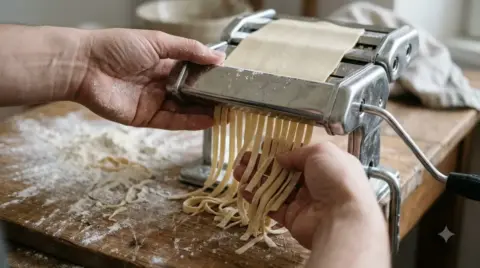
Yes. Start at the widest setting and pass the dough through several times, narrowing the setting with each pass, until the sheet is thin enough to wrap without tearing. Dust the sheet lightly between passes so it does not stick to the rollers.
Can I make garganelli ahead?
Yes. Shape the pieces, dust them with flour and keep them uncovered on a floured tray for a short time before cooking. Keep the dough wrapped until you are ready to cut it.
Making garganelli by hand takes patience, but the wrap-and-roll motion becomes steady after a few batches. Shape a small test batch first, cook a couple of pieces and adjust the sheet thickness until the tubes hold their shape.
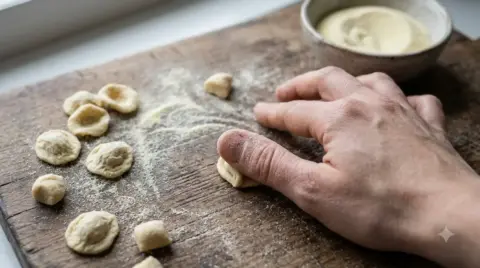 6 min readLearnHomemade Orecchiette: Dough, Thumb Shaping and DryingUpdated Nov 13, 2026
 6 min readLearnHomemade Gemelli: Semolina Dough, Shaping and DryingUpdated Nov 13, 2026
 6 min readLearnHomemade Casarecce: Semolina Dough and Rod Shaping GuideUpdated Nov 13, 2026
 5 min readLearnHomemade Cavatelli: Ricotta Dough and Hand Shaping GuideUpdated Nov 13, 2026
 6 min readLearnHomemade Scialatielli: Amalfi-Style Dough and ShapingUpdated Nov 13, 2026
 5 min readLearnHomemade Penne: Dough, Shaping and Cooking TipsUpdated Nov 13, 2026